
The Man From Earth is a Miracle of Simplicity – A Review
The Man from Earth is a ridiculous film. It really is. It has no right working as well as it does.
I revisited it recently, and almost immediately remembered why it hit me so hard the first time. It is one of those films that sounds like it should collapse under the weight of how little is actually there. A man is leaving his job. His friends come round to say their farewells. They sit in his house and they talk. That is it. No spectacle, no grand visual idea, no massive set pieces, no attempt to pretend it is bigger than it is. A small film from 2007, made for around $200,000, shot on video, set almost entirely in one house, and built almost completely out of conversation.
It is one of the best pieces of media I have seen in my entire life.
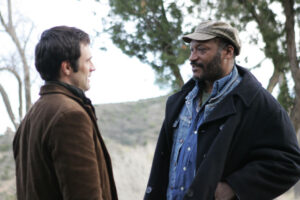
The film poses one central question very quickly, and even though that question is openly advertised almost everywhere the film is listed, I do not want to say it here. It is so much better going in blind, as I did the first time. It works best when you hear it at the same time as the people in the room, when you get that little moment of adjustment where you go, okay, is this really what the film is doing?
The Man from Earth is exactly what it looks like it is: a tiny film in a house, with performances that go from just fine to genuinely very good, music that is mostly just there, no VFX shots, and an image that is flat and very obviously of its time. Almost everything about it is fine, which sounds like criticism, except here it isn’t. Normally, “fine” is death. Nothing is falling apart but nothing is exactly soaring either. With The Man from Earth though, Jerome Bixby’s script is doing so much work that the ordinary parts stop feeling ordinary. The things that should be underwhelming start working in its favour.
That is the bit I cannot get over. Good writing can make the negatives feel less negative. Great writing can make you forget about them entirely. Perfect writing can take those negatives and turn them into positives in a way you did not think was possible. The limited set becomes the focus. The lack of spectacle becomes trust. The plainness becomes intimacy. The film has no great visual escape hatch, nothing to lean on except the people in that room and the conversation moving between them. The back and forth becomes the film.
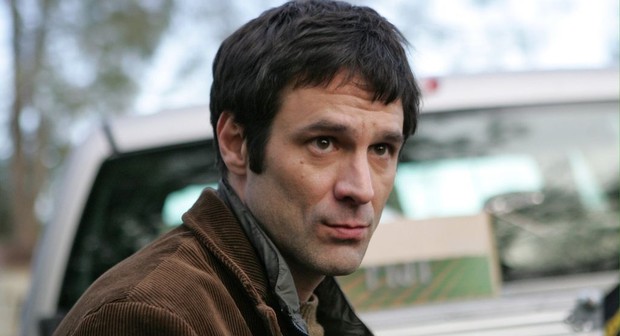
A more expensive version of this would probably be worse. Richard Schenkman directs it simply, and that is all the film needs. The choice of video is the clearest example of why; The image is flat, slightly harsh, and very obviously of its time, but that simplicity suits it. Better cameras, cleaner lighting, smoother cinematography, a more noticeable score, more polished performances, all of it would start pulling the film away from the thing holding it together. The story being told. The film works because there is nothing else to hide behind, the cheapness stays visible, the house stays ordinary and the film has to earn every second.
That is why I do not think the film would be improved by making it bigger. The point is being in that room, hearing it, doubting it, wanting to dismiss it, and then finding yourself unable to stop listening.
Is he lying? Is he mad? Is he joking? Is he testing them? Is he grieving? Is he somehow, impossibly, telling the truth?
The film understands that scepticism is the whole structure of its narrative. Every time someone asks the obvious question, the film has an answer. Every time the answer feels too neat, someone pushes back. Nobody just accepts it because the film needs them to, and nobody rejects it so hard that the conversation becomes pointless either. They are intelligent people responding, mostly, like intelligent people, which is weirdly rare, especially for a film like this.
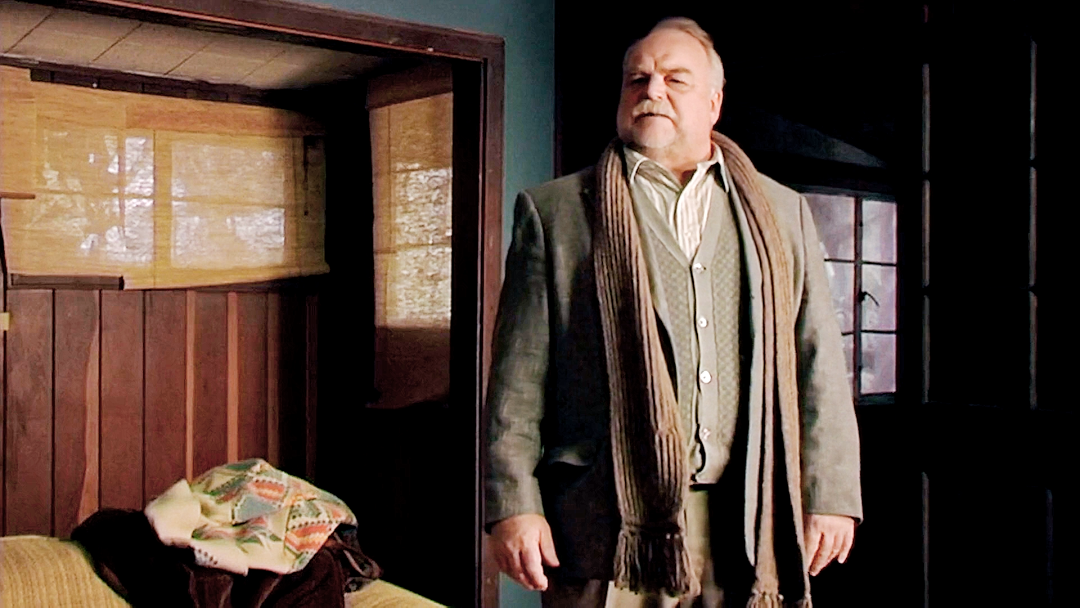
It is always one bad choice away from turning into people in chairs saying interesting things at each other, but The Man from Earth is far more entertaining than that makes it sound. The conversation has movement. It has pressure. Humour, irritation, disbelief, affection, ego, and hurt keep pulling against each other. They know him, they like him, some of them love him, and some of them clearly need him to stop.
The longer it goes on, the less the question is “could this be true?” and the more it becomes the much better question of “what would it mean if it was?” The genius of The Man from Earth is its simplicity. A fireplace, a group of people, and a man who says something impossible. That is all it needs.
By the end, the house feels enormous. History, religion, science, memory, loneliness, death, friendship, belief. All of it fits inside this one little domestic space without ever feeling cramped.
And then the credits roll, and you hear “Forever” by Chantelle Duncan. I do not often sit through them in silence, but with this I did again. It is perfectly chosen; gentle and unshowy, warm, final, and slightly strange. After all that talking, it gives the film its first real stillness. The film is over, the room has emptied, and you are on your own again with nothing to do but sit there, turning it over.
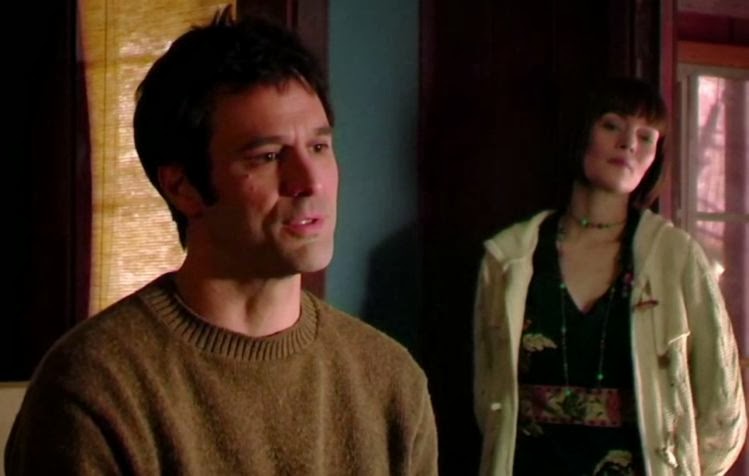
The Man from Earth is perfect because the right thing is perfect. The screenplay is so strong that it pulls everything else into place. The modest becomes beautiful; rough edges become texture, and because there is no grandeur on screen, your imagination fills it in.
What a ridiculous, lovely film.



No Comments