
The Boy Who Harnessed The Wind (2019) – A Review
This review contains spoilers.
William Kamkwamba built a windmill from scrap and helped save his family from famine. Chiwetel Ejiofor begins with everything that sentence leaves out.
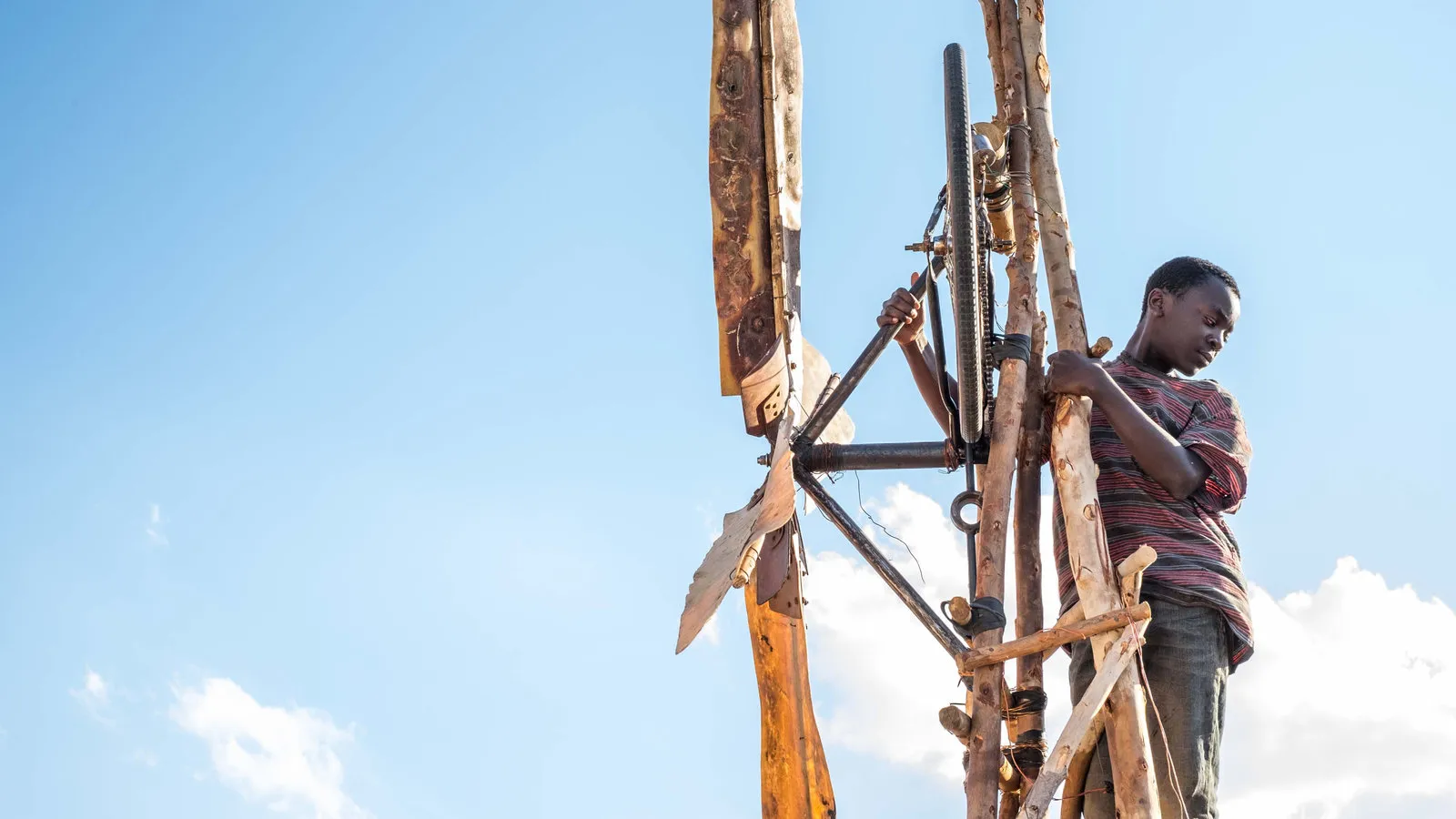
Maxwell Simba plays William, a thirteen-year-old living with his family in Wimbe, Malawi. He repairs radios, searches the scrapyard for electronic parts and cannot leave anything mechanical alone. When the harvest fails and his parents can no longer afford his school fees, William loses his place in the classroom but keeps finding ways into the library. A book called Using Energy gives him an idea for pumping water back into the fields. The title gives us the outcome. The film follows the much harder journey between a diagram on a page and water rising from the ground.
Much of that journey is told in Chichewa. Ejiofor learnt the language to play William’s father, Trywell, and tried to understand what he was saying rather than simply memorising the sounds. That could not have been easy while also writing, directing and acting in the same film. I respect the effort tremendously.
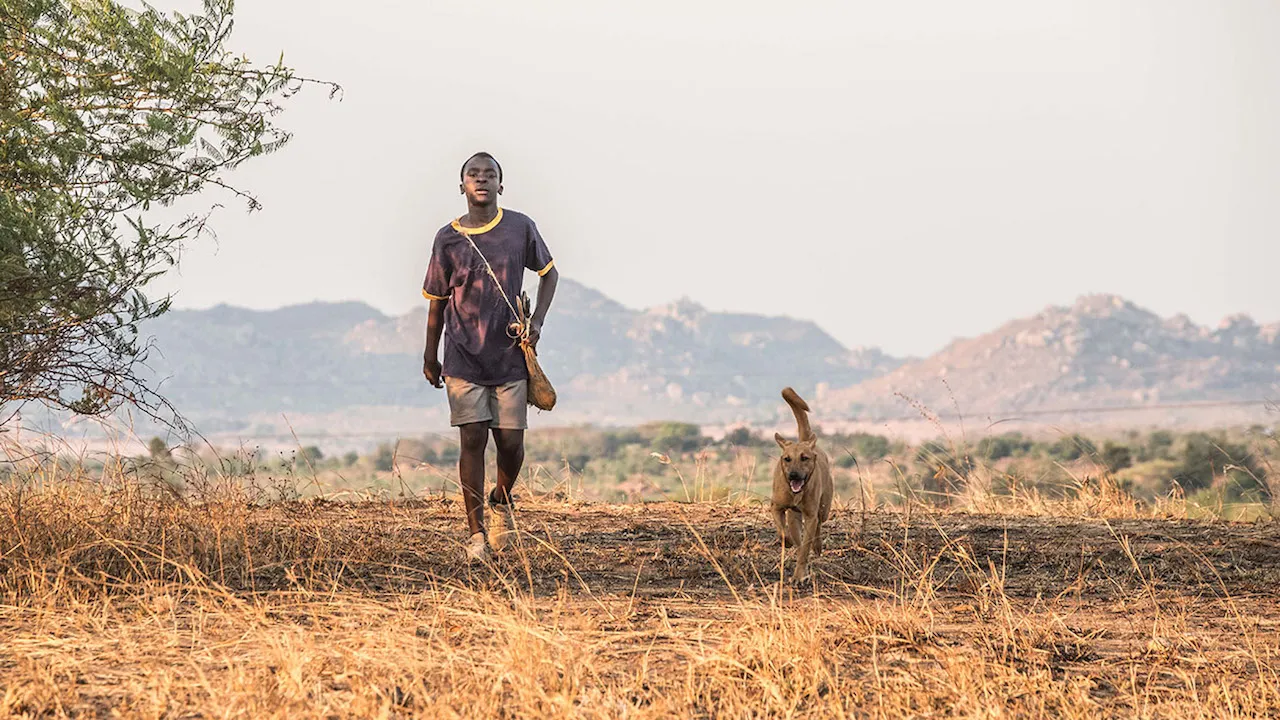
The choice to do so gives the story a weight and honesty that a purely English version would have struggled to preserve. English enters naturally through William’s education, while the family speaks Chichewa at home. The Kamkwambas speak to one another before they speak to us. Their jokes, arguments and affection belong to them rather than sounding translated for whoever happens to be watching.
Filming in Wimbe itself completes that sense of place. The village continues beyond the edges of the frame through school lessons, church services, political meetings and the daily work of keeping a farm alive. Dick Pope’s camera stays close to that work. The fields are a home and livelihood before they become symbols of a crisis.
The famine arrives through accumulation. Heavy rain destroys crops, drought follows and the price of grain begins to climb beyond what families can afford. The village chief challenges the government and is beaten for it. Meals shrink. School fees become impossible. Each new problem removes another possible response until William’s family is left choosing which necessity they can survive without. I liked how patiently Ejiofor lets that pressure build. His direction is simple and well crafted. He gives an empty grain sack or divided portion of food the same attention another director might reserve for a speech. The threat settles into the family’s routines before anyone fully accepts what is happening.
I spent most of the film admiring William. I left thinking almost as much about his father.
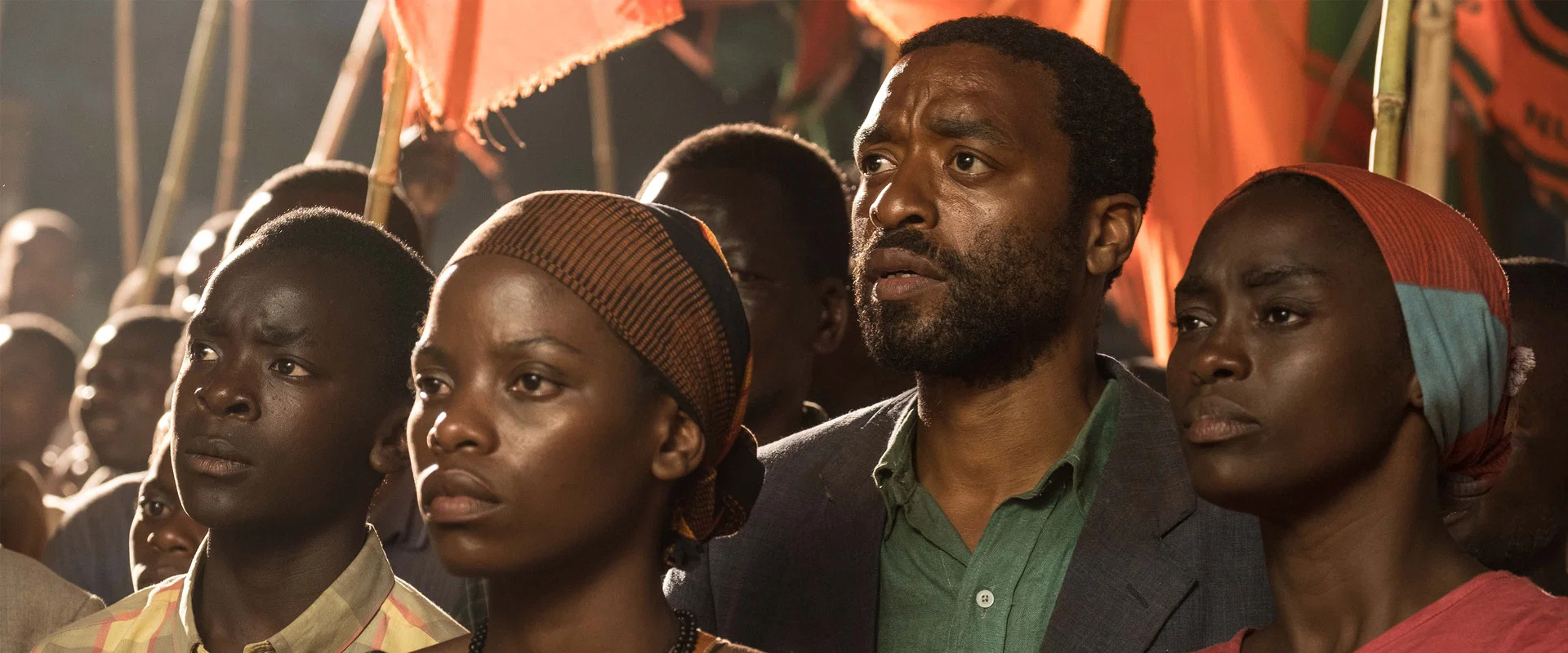
Ejiofor is excellent, as usual. Trywell has spent his life reading the land, but the land has stopped responding. Every failed crop reduces the room he has left to gamble. When William asks for the bicycle, his plan may be scientifically sound, but it still requires Trywell to surrender one of the family’s last valuable possessions.
William sees a dynamo. Trywell sees transport, labour and proof that they still own something worth protecting. Giving it up means placing his son’s knowledge above the experience that has carried the family this far. Ejiofor makes that decision feel much larger than handing over a piece of machinery. Every part William needs already has another purpose. Wire must be scavenged. Wood must be carried. The bicycle must stop being a bicycle. The film keeps the engineering clear enough that each discovery leads naturally into the next. William’s smaller prototype proves the principle, while the full-sized windmill turns a private idea into something the entire village must help raise.
Simba makes William’s intelligence feel restless. He is always pulling something apart, searching for another component or struggling to explain an idea he can already see working. He is brilliant, but still recognisably a child. Being right does not make the adults move any faster, and his frustration sometimes reaches them before his explanation does.
Aïssa Maïga gives Agnes a steadier, more thought out authority. She spends much of the film measuring what each decision will cost. William sees possibility, Trywell sees risk and Agnes sees what their refusal to listen is doing to the family. Her eventual intervention feels earned because she has been watching the argument consume them both. Lily Banda gives Annie’s ambitions their own weight. Her story hurt. She wants an education as much as her brother, but William’s breakthrough does not create the same future for both of them. The windmill can save a harvest. It cannot pay for every future poverty has placed beyond reach.
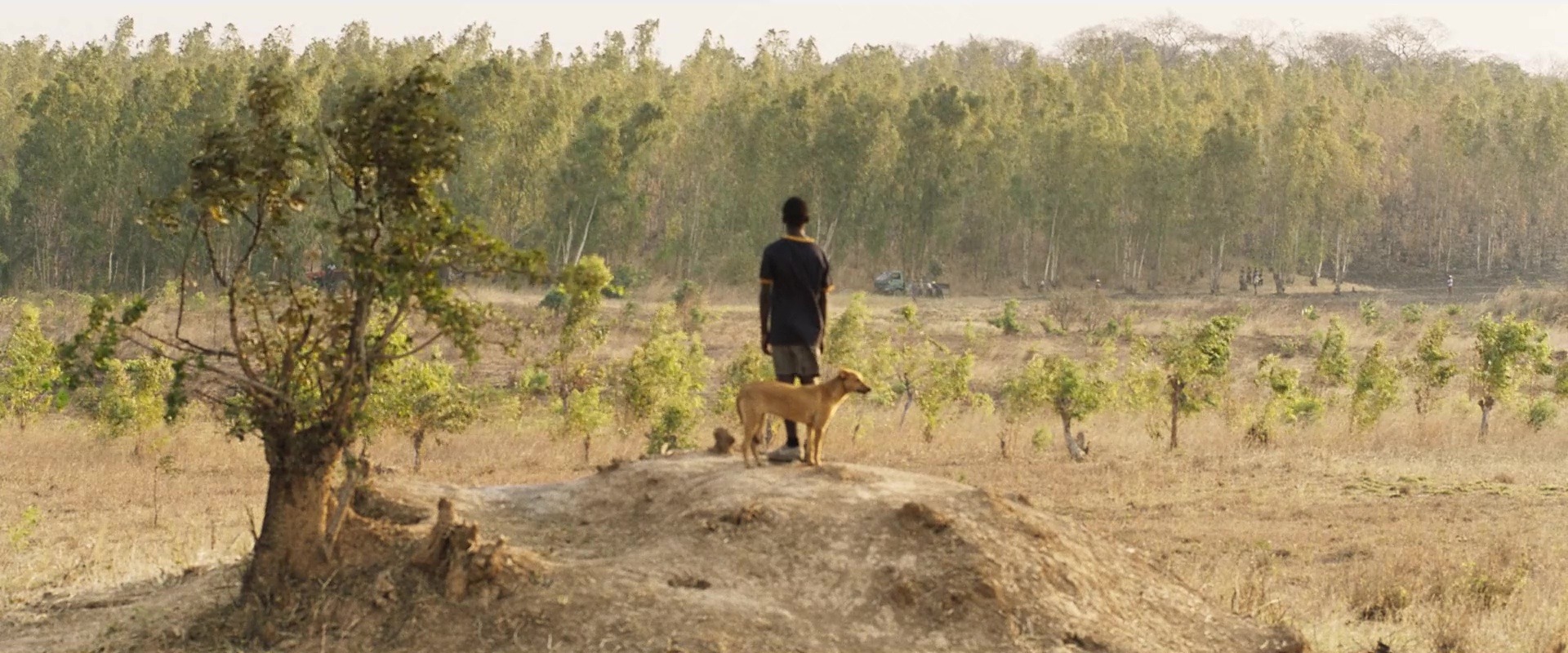
William’s story is genuinely inspiring because the film makes us feel the work. The windmill is built from discarded parts and practical knowledge, but it only stands once people who cannot afford waste choose to trust him.
The headline is the windmill. What stayed with me was everything his family had to risk before it could turn.



No Comments