

Lanterns, Superman, and Why True Heroism is Now an Act of Rebellion
 Editor’s Note: *The article below contains spoilers for HBO’s Lanterns.
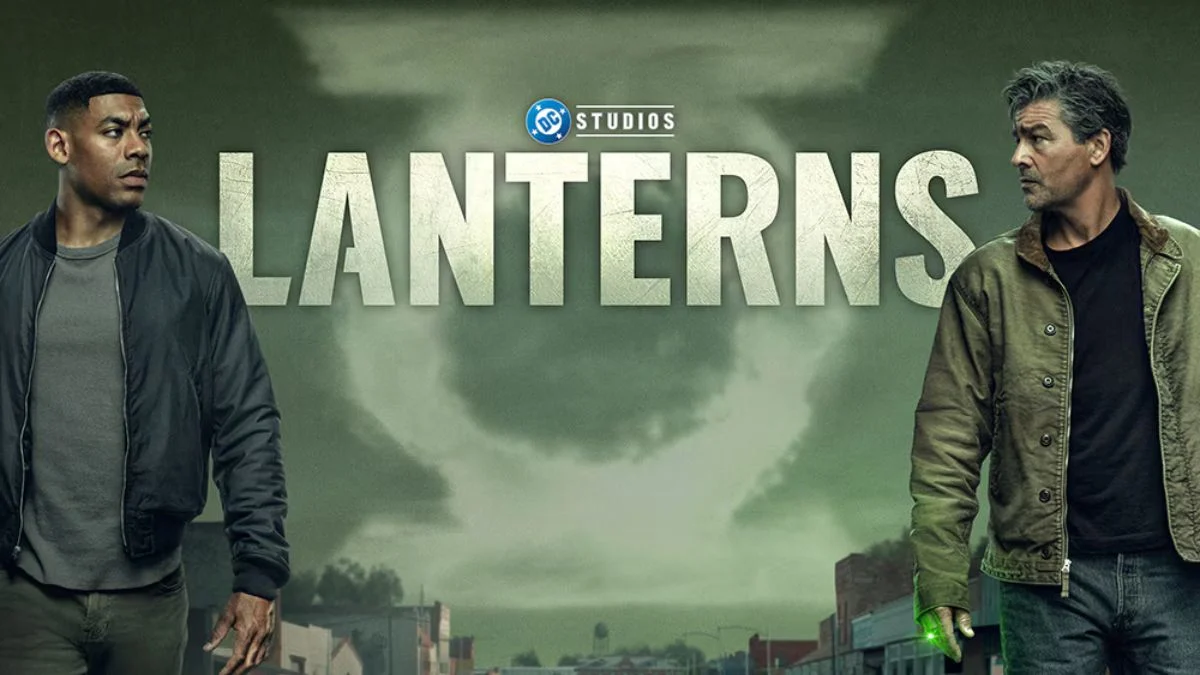
There was much hype going into HBO’s Lanterns earlier this summer. After eight weeks of mystery, intrigue and drama, Lanterns more than lives up to the expectations. Variety reported that the show averaged 12 million US viewers per episode. Globally, 19 million viewers watched by the finale. Green Lantern has never been the most popular DC superhero, especially since the 2011 Green Lantern movie under-performed at the box office. But this show aims to boost the popularity of this intergalactic space-cop hero, by blending it with the crime drama genre and giving it a more grounded, moralistic feel. So it comes as no surprise that rather than ending the show with a bombastic, spectacle-filled finale, it chooses to close out with a more sombre, reflective, but ultimately hopeful theme. While many have made comparisons to HBO’s True Detective, by the end of the series, this show proves its thematic ties to James Gunn’s Superman, providing clarity on what the DCU is trying to achieve with its newly-formed superhero universe: a world where a new generation of superheroes will redefine heroism on more compassionate, humanistic terms.
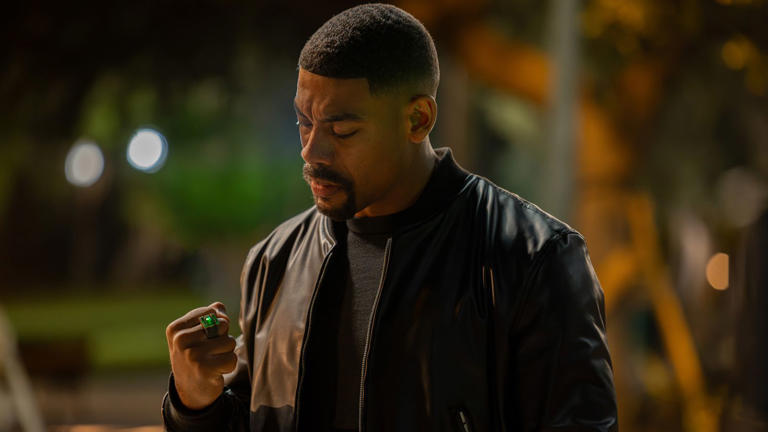
In the first scene of Episode 1 of Lanterns we are introduced to an idea: “Are you afraid?”. It’s a simple and short question, but isn’t clear what one is or should be afraid of. However, that is exactly what the show explores over the course of the season. It excels at taking its characters and peeling back multiple layers of fears, doubts, and insecurities to get to the emotional core of their very being. It highlights the relationship between fear and will, asking the audience to consider what it looks like to live by fear, or overcome fear with willpower. The dynamic between Hal Jordan (played by Kyle Chandler), Earth’s Green Lantern and John Stewart (Aaron Pierre), his trainee and hopeful replacement, drives much of the tension in the plot. John has been training his whole life to be the Green Lantern, raised by parents to suppress his fears. Hal, as we learn through the season, lives with fear; the fear of being replaced, the fear that without the ring he would be nothing, the fear that he could succumb to the same suicidal demise as his father, and grandfather.
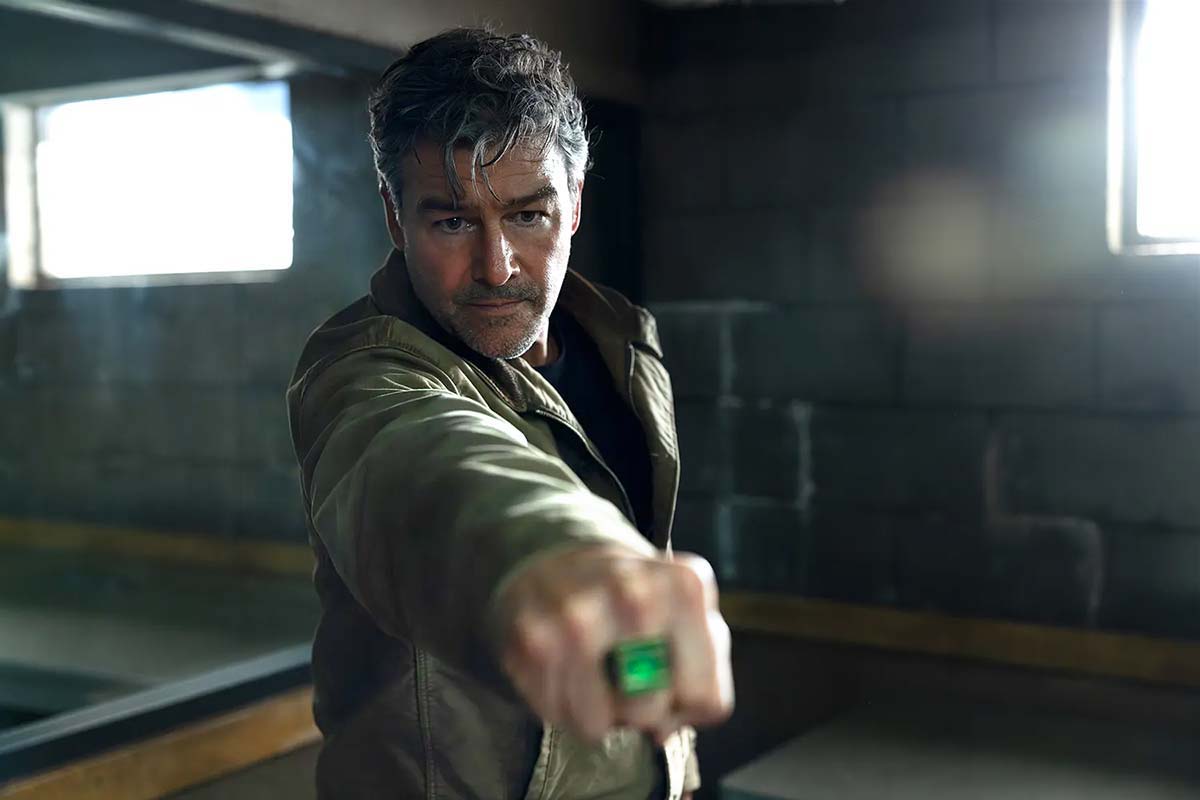
Near the end of Episode 1, an alien suspect asks, “it almost seems like you want to die, Hal Jordan. Does that not violate your precious oath?” It is here where we get the first hint that Hal lives on the edge of danger; it is only later we learn that he chooses to because of the emotional burden that he calls, “The Jordan Boys’ legacy”. As the story unfolds in Rushville, Nebraska, close to where Hal first obtained his ring, we meet characters in the show dealing with their own fears. The Sheriff Kerry Kane (Kelly Macdonald) harbours many secrets, and fears them being revealed. The town has been secretly harbouring a Manhunter, an android entity created long ago by the Guardians that turned on its masters. The Guardians too live in fear of their mistakes coming back to hurt them, haunted by Sinestro, Hal’s former mentor, who killed a Guardian.
Through this exploration of fear, and what it means to either overcome it or live with it, we see John Stewart grapple with the burden placed upon him by his parents, and the obstacle that is Hal Jordan standing in the way of it. James Gunn had already announced that John Stewart will be in the next Superman movie, Superman: Man of Tomorrow. Here we find out how he gets to becoming the Green Lantern. Except that he doesn’t, not really anyway. By the end of Episode 5, after the catastrophic fight to subdue the Manhunter ends with half the town destroyed, John takes Hal’s rings, lantern, and the Manhunters heart, gives them to the Guardians, and refuses to become the Green Lantern. It is here, with this unconventional refusal of the call, that Lanterns begins to show us what the DCU is aiming for. John wants to be a hero, but on his own terms, not as an errand boy of any bosses or compromised institutions.
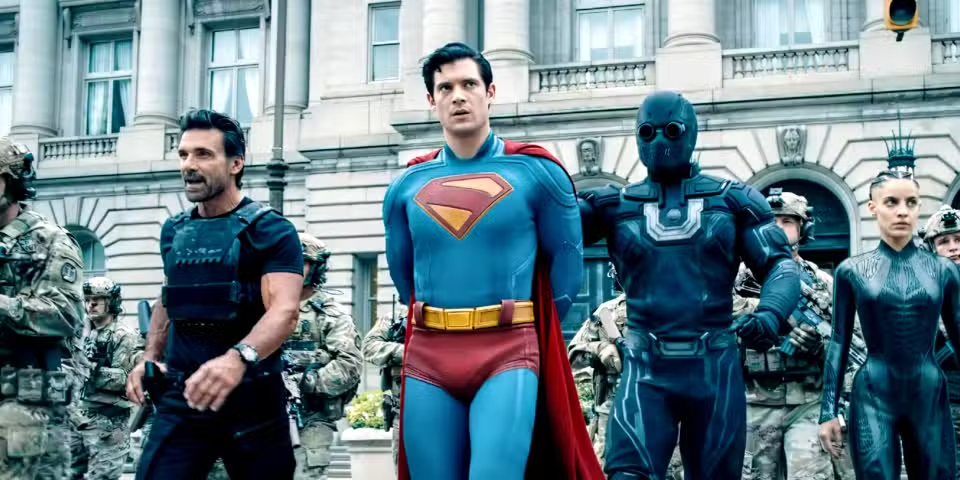
Here begins the thematic tie to James Gunn’s Superman, starring David Corenswet as the titular character. We see Superman refuse to join the Justice Gang (Guy Gardner as new Green Lantern, Hawkgirl and Mr. Terrific), preferring to stay independent and not beholden to any corporate or authoritative entity. He knows for himself what is wrong and what is right. Much of the film revolves around a conflict between Boravia, a US-backed ally with advanced weaponry, and Jahranpur, a neighbouring country living in fear of being invaded by Boravia. In one scene, Superman, as Clark Kent, argues with Lois about how he has a moral responsibility to prevent this invasion, even if all the authorities of the world think he should not get involved.
The question of what heroism is in a period of time when governmental organisations appear self-serving and corrupt is a recurring idea in the comics, and has been visited by various iterations. What the DCU aims to do though, is make that stark difference the core running theme of its superheroes. It’s not just about operating outside of the law as a vigilante, but doing the right thing that others will not or choose not to do. In the final 3 episodes of Lanterns, we learn that Hal went to prison in the aftermath of the fight with the Manhunter. Ten years later, Hal Jordan returned to Rushville to try to make amends for the damage he caused. John Stewart has moved on with his life, but is called back by Hal, assuming an attempt to make amends between the two. Hal is found murdered, and no one cares to find out who. John, despite having had his challenges with Hal, still believes it is the right thing to do, and investigates this mystery.
He discovers in the process that Sheriff Kane’s son is a Manhunter, and that she killed Hal to stop that secret from being revealed. Here we get a another comparison to Superman and his mythos; is this child Manhunter destined for evil because of who he is, or is being raised as a quarterback in rural Nebraska enough to instill in him the human values of kindness, community, empathy? John, having grown up knowing what it’s like to live with expectations and the fear of either failing or fulfilling them, chooses to let the boy be. John also decides to keep the ring, telling Guy Gardner that he’ll watch over Earth. He chooses now to step into the role as his own person, making his own oath, knowing he can make the right choices.
There’s been a lot of songs in Lanterns to finish off the episodes, but the final one, “Hero” by Michael Kiwanuka, does a great job capping off John’s arc and the ethos of the DCU so far. This psychedelic, soulful, anthem sings, “Am I a Hero? Am I Your Hero? How? To Die a Hero, Is All That We Know Now”. In some ways, that can be answered by the ending song of Superman, “I’m a punkrocker, yes I am”.
Maybe in a world where our institutions feel corrupt, being a hero who does the right thing is rebellious, freeing and yes, punk rock.



No Comments