

Short of Style, Starved of Substance in The Uprising – A Review
This review contains minor spoilers.
Watching The Uprising, I kept having to ask whether the things making me angry had actually happened. Paul Greengrass’s film spends a long time struggling to make its rebellion compelling, then reaches for events the historical record does not support.
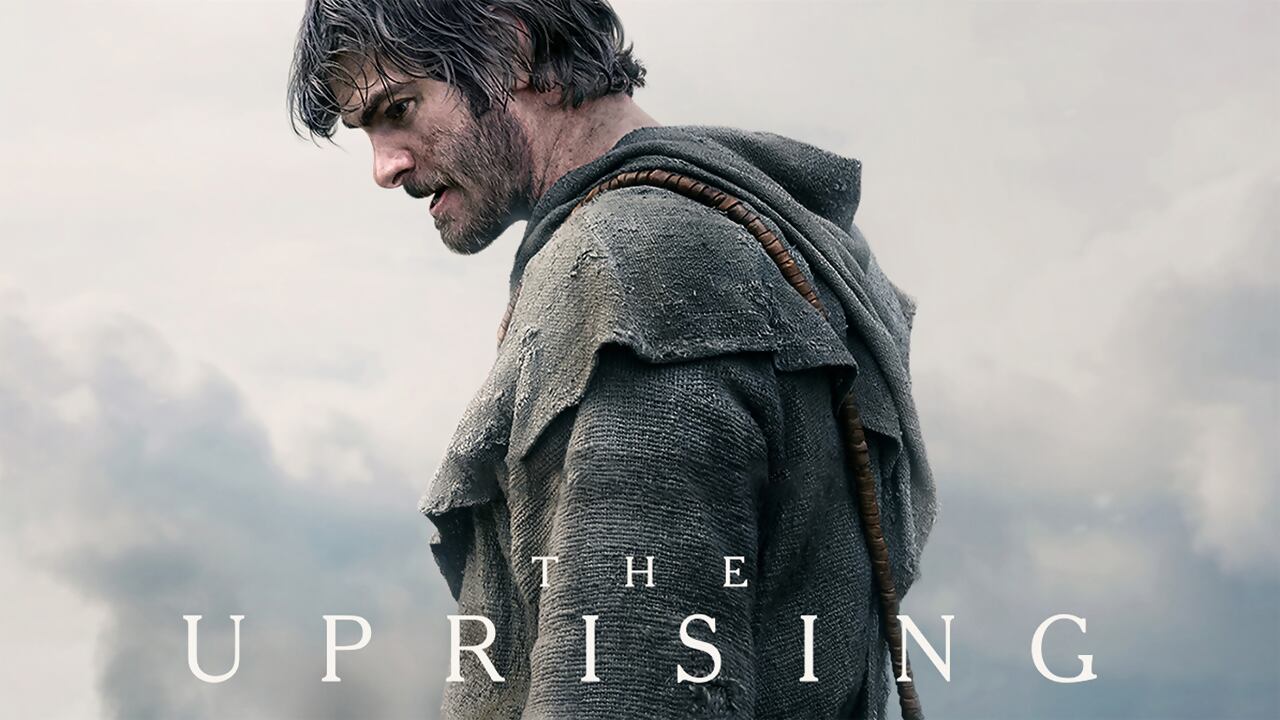
Andrew Garfield plays the Ploughman, a fictional farmer caught up in the Peasants’ Revolt of 1381. England is living with the aftermath of the Black Death, while those protecting their wealth impose further burdens on everyone below them. Wat Tyler, played by Cosmo Jarvis, and the radical priest John Ball, played by Jamie Bell, help lead the movement towards London and the fourteen-year-old Richard II. The Ploughman joins them as Greengrass’s representative of the ordinary people who rose up.
Within roughly half an hour, the march has been decided upon, yet I was still waiting to feel invested. The opening establishes suffering without spending enough time on the lives disrupted by the plague or made harder by those governing its aftermath. I understood why people were angry. The film had given me much less reason to care about these particular people, and it was already sending them towards the king.
It feels like a dramatic re-enactment accompanying a history documentary. Scenes illustrate successive events without giving the people involved enough life to make those events compelling. The chronology advances; the drama doesn’t.
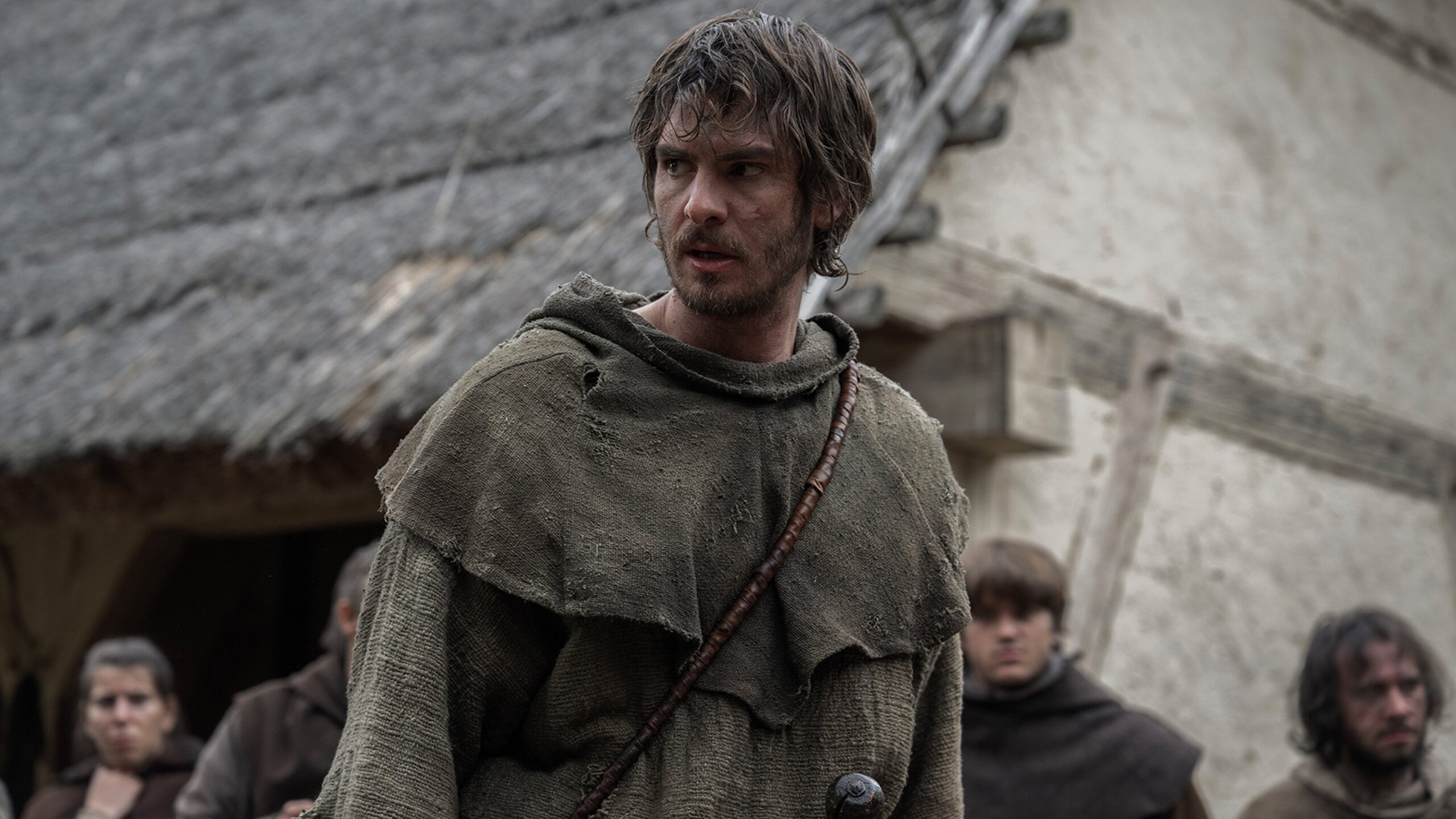
Garfield keeps the Ploughman watchable, but the film’s presentation of him becomes difficult to reconcile. It insists on how worn down this farmer is, then sends him into fights against trained opponents with an ease I found hard to believe. The vulnerability that defines his place in this world seems to matter less once an action scene needs him. His emergence as a leader is similarly abrupt. Other characters place more faith in him than the film has given me reason to share.
The rebels around him increasingly look arranged to make that rise possible. Ball supplies the arguments and the fanaticism, leaving the Ploughman to appear more measured. Tyler is troubled by violence that Ball accepts, but neither response feels rooted in a character we have come to know. Jarvis gives Tyler a presence that makes his marginalisation frustrating. I wanted more time with him, yet the film keeps returning to its less compelling invented leader.
Woody Norman’s Richard II briefly gives the film something more involving. For much of the first hour, Richard seems little more than a rubber stamp for his council. When he finally takes charge, his arrival carries an emotional weight that the march has struggled to achieve. His appeal to humility lands, and his recognition of the Ploughman’s silence is especially effective. The king appears to be observing the people before him and deciding how to address them. I became more interested immediately.
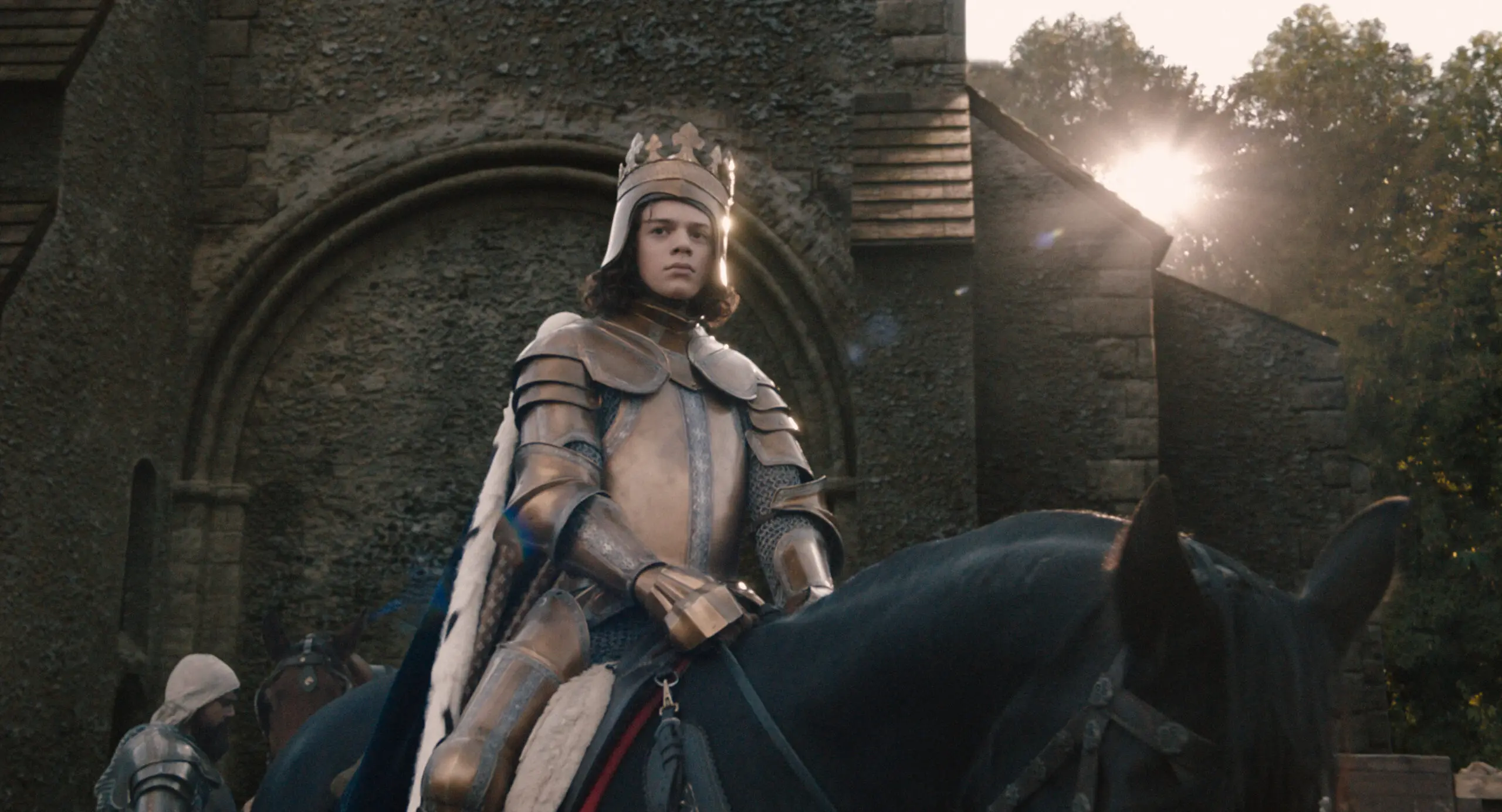
His dependence on adult advisers makes sense at fourteen. The writing frustrates me because it spends so long on that dependence, briefly reveals someone capable of thought and judgement, then moves him towards ruthless authority without enough development between those stages. The nightmares signal a conscience, but do little to make the progression more convincing. Norman holds my attention through changes that the screenplay too often treats as sufficient in themselves.
The council scenes work better, particularly when Tom Hollander’s treasurer explains the political disadvantage of taxing merchants who might then expect influence. Here, preserving privilege becomes a decision with consequences, rather than a general statement about oppression. Greengrass’s restless handheld camera repeatedly interferes with such exchanges. It seems intended to place us among the participants, catching events as they unfold, but the movement closer in kept pulling my attention away from the people speaking. The wider compositions give them room to hold the screen. A conversation does not acquire urgency because the camera refuses to stand bloody still.
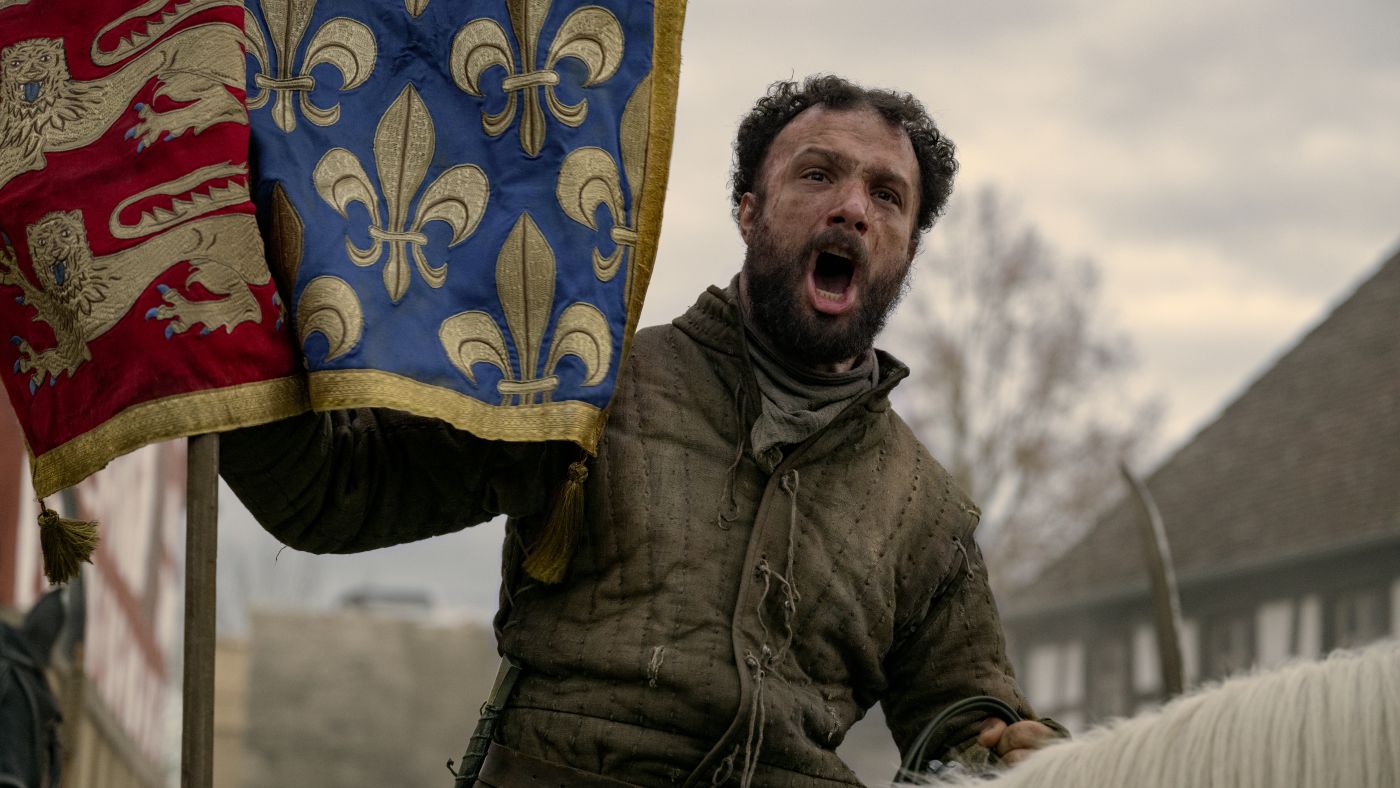
The costumes and thick charter sheets look convincing. The dated digital cityscapes are harder to believe, and the muted palette grows monotonous. The restrained string-led music works well, but the crowd singing sounds conspicuously studio-clean. Too often, I remained conscious of people performing inside a reconstruction rather than experiencing the verisimilitude Greengrass is capable of achieving.
At St John’s Fields, the film’s handling of history becomes nigh impossible to accept. Surviving accounts describe armed Londoners surrounding the rebels, who were then allowed to disperse. The government’s suppression followed afterwards. Greengrass turns the gathering into a massacre. A surrender followed by repression becomes a trap ending in slaughter. The apparent reconciliation is recast as part of the betrayal.
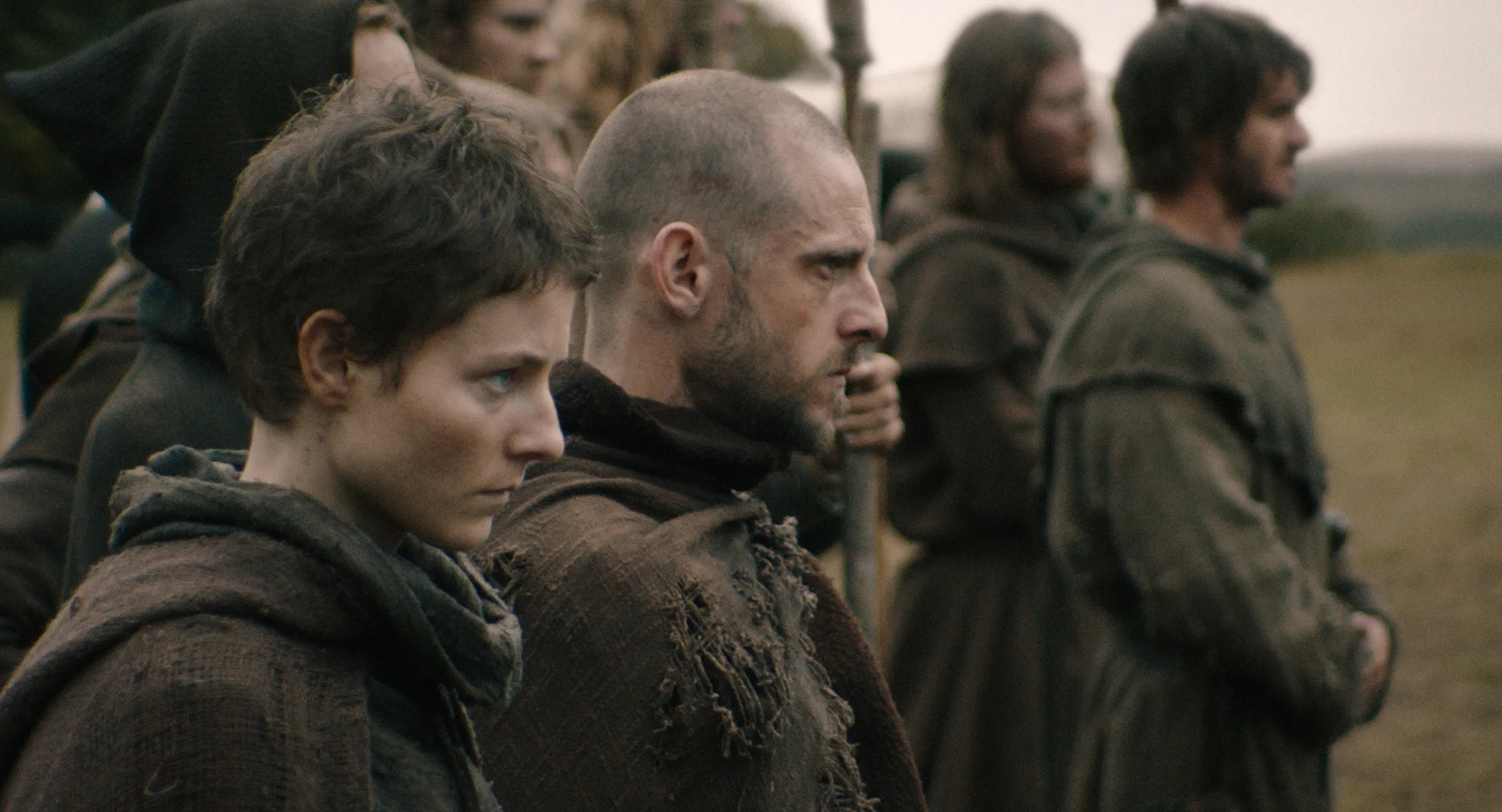
The real repression already supplied grounds for condemning Richard’s government. By inventing a massacre at this meeting, the film makes a different accusation about what happened there and gives the Ploughman a personal ordeal to carry into its laughable outlaw ending. His anger is understandable. His emergence as the man to lead the resistance remains as unconvincing as his earlier rise among the rebels.
Greengrass has said that he did not want to end with the rebels defeated and the powerful victorious. So the Ploughman becomes a Robin Hood figure, takes to the woods and gets his own confrontation with the king. Wat Tyler’s rebellion has become the origin story of a man Greengrass made up. The arrogance is astounding.
Wat Tyler is a fascinating figure, and the actual history already contains more compelling drama that it throws away than it manages to make up. Yet Tyler is pushed aside for a farmer whose leadership never convinces, before an invented massacre propels him towards an equally invented reckoning. Greengrass makes the story far less interesting with the very liberties he takes to dramatise it.
And after all that, he expects me to take his patronising lecture seriously. I am supposed to find his conclusion illuminating. This is our history, his as much as mine, and I resent being expected to applaud his bastardisation of what was supposed to be a slam dunk historical drama. Greengrass had all the material he needed; what he lacked was the simplest of judgements to trust it. Wat Tyler deserved a better film. We deserved a better film-maker.


No Comments