Mayday Is Saved by Its Own Stupidity – A Review
This review contains no spoilers.
Mayday is at its best when it is stupid.
Not the careless kind of stupid, where an SR-71 Blackbird behaves like an ordinary fighter jet and an untrained man can apparently fly one from the second seat. The committed kind. The sort where a ridiculous idea is followed through with such confidence that questioning it becomes less enjoyable than watching it happen.
For too long, Mayday cannot tell the difference.
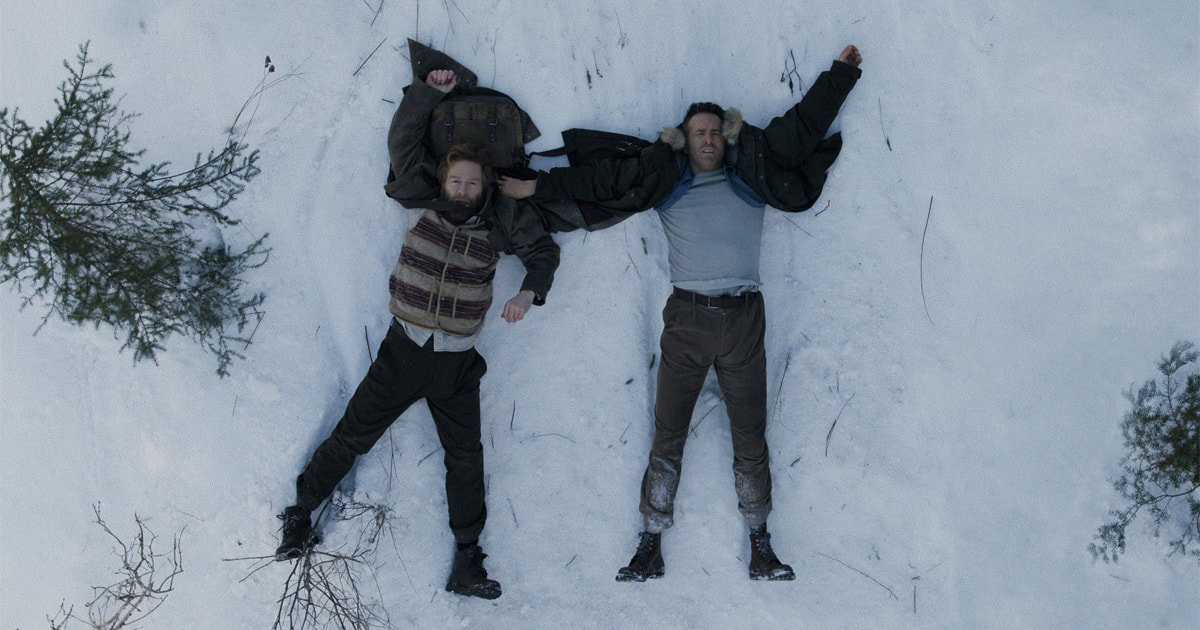
Set in 1987, John Francis Daley and Jonathan Goldstein’s Cold War action comedy stars Ryan Reynolds as Troy “Assassin” Kelly, a US Navy pilot selected for a covert reconnaissance mission over the Soviet Union. When the operation goes wrong, Troy is stranded behind enemy lines and forced to rely upon Nikolai Ustinov, an eccentric former KGB operative played by Kenneth Branagh.
It is a strong setup, and the opening gets Mayday into the air with enough confidence to sell it. Reynolds is doing the familiar Reynolds thing: cocky, sarcastic, instinctively capable and always ready with a response. The difference is volume. He is noticeably more subdued here, holding back enough that Troy feels like a character rather than another delivery system for the same collection of mannerisms.
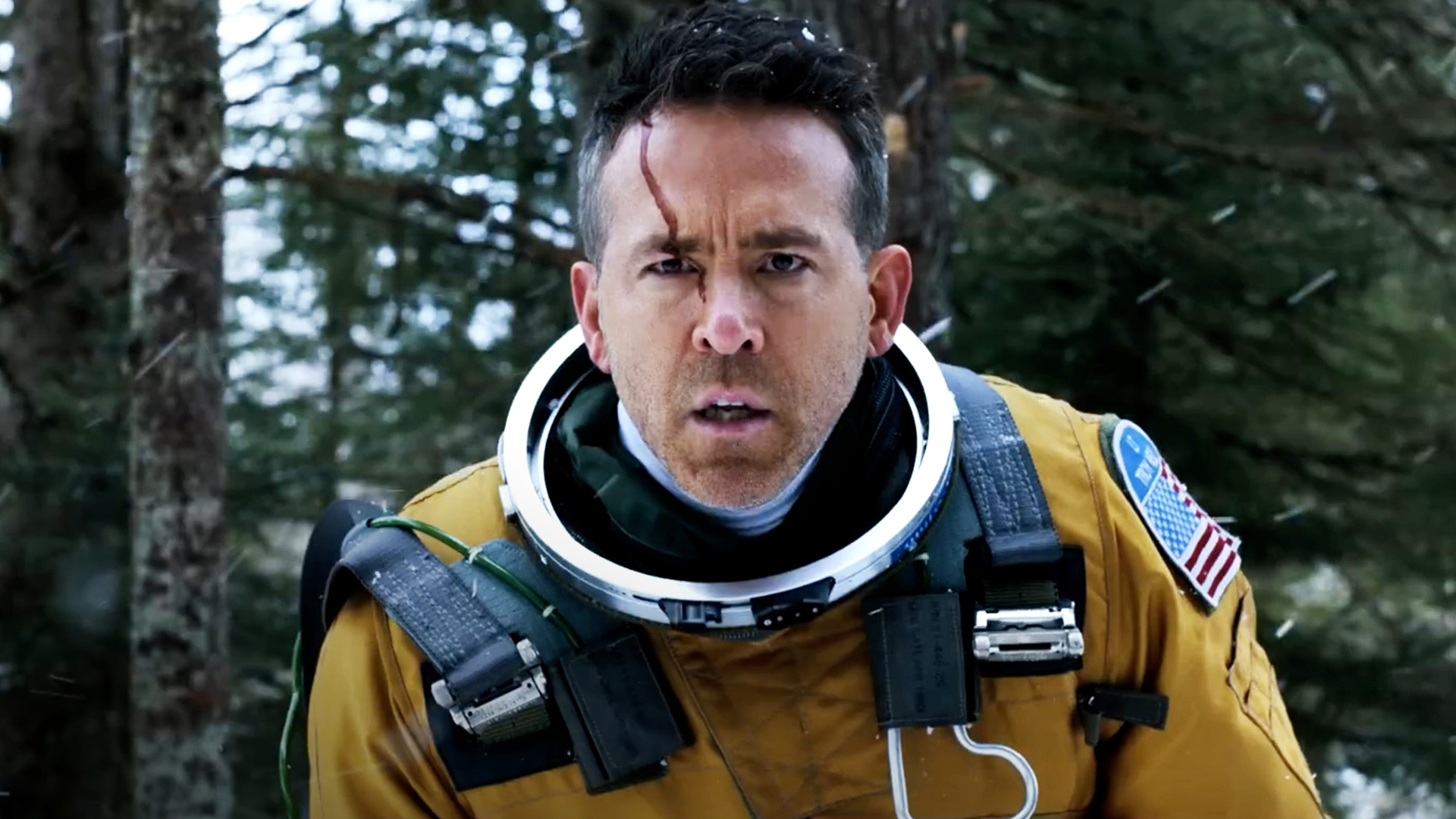
That restraint helps because the mission around him is already straining credibility. Troy has no meaningful training for the Blackbird, yet is placed in its second seat and expected to understand it immediately. The aircraft was not generally controllable from there, something the filmmakers have acknowledged changing for the story. It is also suspiciously free of the fuel leaks for which the Blackbird was famous for on the ground. It would leak like a sieve.
Then there is the pilot. He and Troy dislike each other openly, which feels strange for two men expected to trust one another during an illegal flight through hostile airspace. Their friction does not sharpen the sequence. It makes the entire operation feel less professional than the film needs it to be.
Once danger arrives, the Blackbird is treated less like the fastest crewed air-breathing aircraft ever built than a particularly expensive fighter jet. It should escape by accelerating. Mayday needed it to manoeuvre. The resulting action is exciting enough, and the film finds a creative solution to the threat, but the sequence only works if you stop thinking about the aircraft whose capabilities the film should understand. That is the careless stupidity. Mayday does not take an absurd idea and find the logic within it. It removes the logic preventing the next scene from happening.
The film fares better once Kenneth Branagh appears.
Nikolai lives in an imagined America assembled from bootleg films, music and fragments of popular culture. His fascination with Troy is not really about the man himself. Troy represents something larger, shinier and much less complicated: the American hero as sold by American movies. Nikolai has spent years consuming the myth. Now one has landed in front of him.
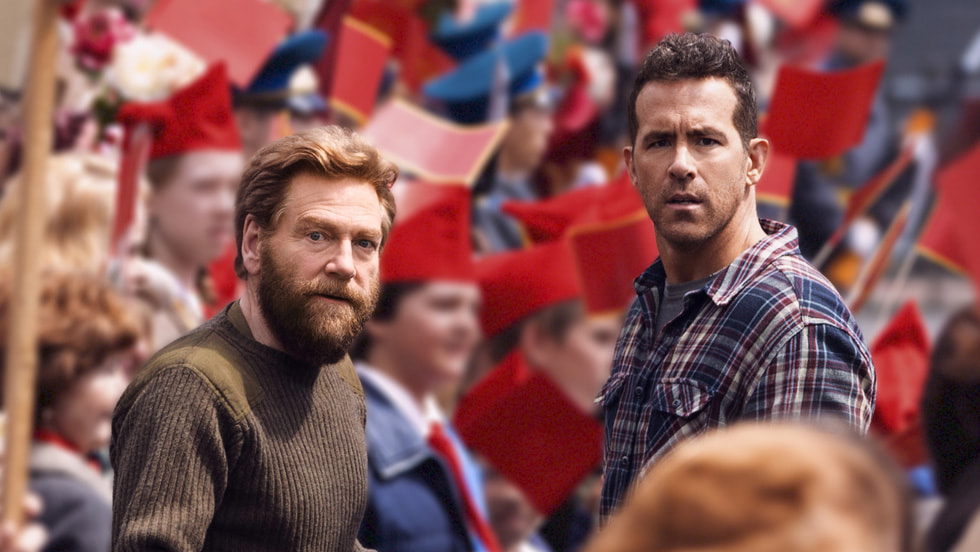
Their early relationship carries the shape of Stephen King’s Misery, an influence Daley and Goldstein have openly acknowledged. Troy is injured, isolated and dependent upon a stranger whose enthusiasm may be more dangerous than open hostility. Mayday never develops that tension as far as it could, but the uncertainty gives Branagh an excellent entrance. He immediately becomes the most interesting thing in the film.
Nikolai could have become an exhausting collection of Russian affectations, but Branagh plays him with complete sincerity. His enthusiasm, menace and peculiar hospitality all appear to come from the same place. He never steps outside Nikolai to let the audience know that he understands the joke. He commits, and the commitment makes him funny.
Reynolds responds by pulling back even further. Troy remains sarcastic, but he increasingly becomes the straight man, giving Nikolai’s eccentricity something solid to strike against. Their pairing works because Reynolds understands that he does not have to dominate every exchange. Branagh supplies the strangeness. Reynolds supplies the resistance.
Their relationship also gives the film the outline of a more interesting political idea. Nikolai’s America has been assembled from American films, but Troy’s Soviet Union has been assembled from American propaganda. Both men arrive carrying simplified versions of the other’s country, then mistake those versions for knowledge. Nikolai sees a land of heroes waiting beyond the border. Troy sees enemies extending all the way to it.
Mayday gradually complicates that division, but only slightly. Nikolai is allowed to become more than his nationality and former profession, while the American mythology surrounding Troy remains largely intact. The film recognises the fiction in Nikolai’s America more clearly than the fiction in Troy’s.
For much of its middle, the film is competent without being particularly interesting. The plot moves. People are pursued, plans change and confrontations arrive at the expected intervals. None of it is badly assembled, but very little feels urgent. The larger story exists to carry Troy and Nikolai between individual moments, and those moments are not consistently strong enough to hide the ordinary structure beneath them.
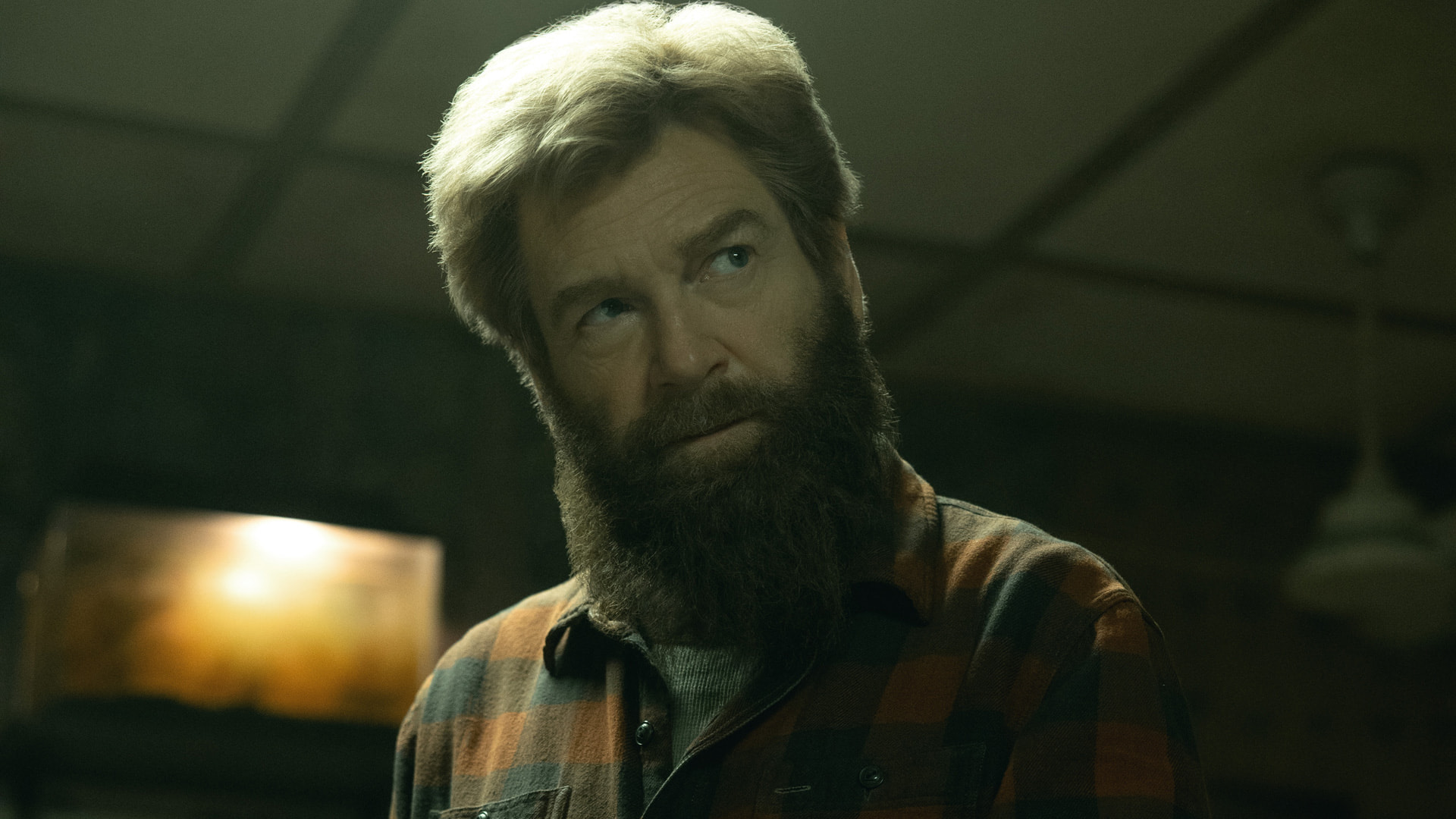
The filmmaking has more curiosity. Cinematographer Barry Peterson repeatedly looks for unusual movements, angles and transitions, particularly during the action. Not every choice lands, but the camera is at least participating. Fights are allowed to unfold clearly, environments are used rather than merely occupied, and a later travel montage built around match cuts gives a routine passage of the story an unexpected visual rhythm.
That willingness to play eventually spreads into the rest of the film. The action grows less restrained. The comedy stops waiting politely for permission. Ideas which initially seem too ridiculous are pushed further, then further again, until their stupidity becomes the point rather than something the screenplay is trying to disguise.
Daley and Goldstein are far better at constructing comic escalation than sustaining espionage. Once the plot loosens, Reynolds and Branagh become funnier, the action becomes more inventive and the film stops carrying its Cold War premise as though it has something profound to say about it. One ridiculous decision creates the conditions for another, then another, until turning back would make less sense than continuing.
The final stretch is strong enough to make the preceding mediocrity more frustrating. This version of Mayday was there all along. It simply took most of the film to arrive.
The music is fine, present when needed and forgotten once gone. The action is frequently better than fine. Branagh is having an excellent time, Reynolds knows when to let him, and together they drag an ordinary plot towards something genuinely enjoyable.
Mayday never becomes a great film. Its broader writing is too weak, its politics too simple and its middle too flat for that. Yet it ends as something genuinely enjoyable: a funny, well-shot action comedy built around two performers who understand exactly what the other needs from them. The Blackbird needed to go faster. Mayday needed to get stupider sooner. But goddamn if it isnt a funny film.

No Comments