
Spielberg Reaches for the Stars; Disclosure Day – A Review
This review contains no spoilers for Disclosure Day.
Disclosure Day never quite becomes the film I hoped it would be, but enough of that film breaks through to make it worth seeing. Steven Spielberg returning to aliens with Emily Blunt, Josh O’Connor, Colin Firth and Colman Domingo feels like a no-brainer, the kind of film I had already decided I would love before the lights went down. Perhaps that expectation makes the disappointment sharper, but it never curdles into dislike. There is far too much here that I enjoy, and a handful of moments that completely floor me. I spend most of the film waiting for those pieces to come together. Right at the end, they almost do.
The story beneath its mysterious marketing is surprisingly simple. A group of people discover evidence of extraterrestrial life and try to make it public while powerful forces attempt to stop them. Spielberg and David Koepp know where this kind of thriller usually becomes frustrating, so their characters behave like intelligent adults. They recognise danger, take sensible precautions and understand when somebody can no longer be trusted. The conspiracy remains threatening because it is powerful, rather than because everyone opposing it has suddenly become stupid. It sounds like a small distinction, but it makes the film much easier to believe in.
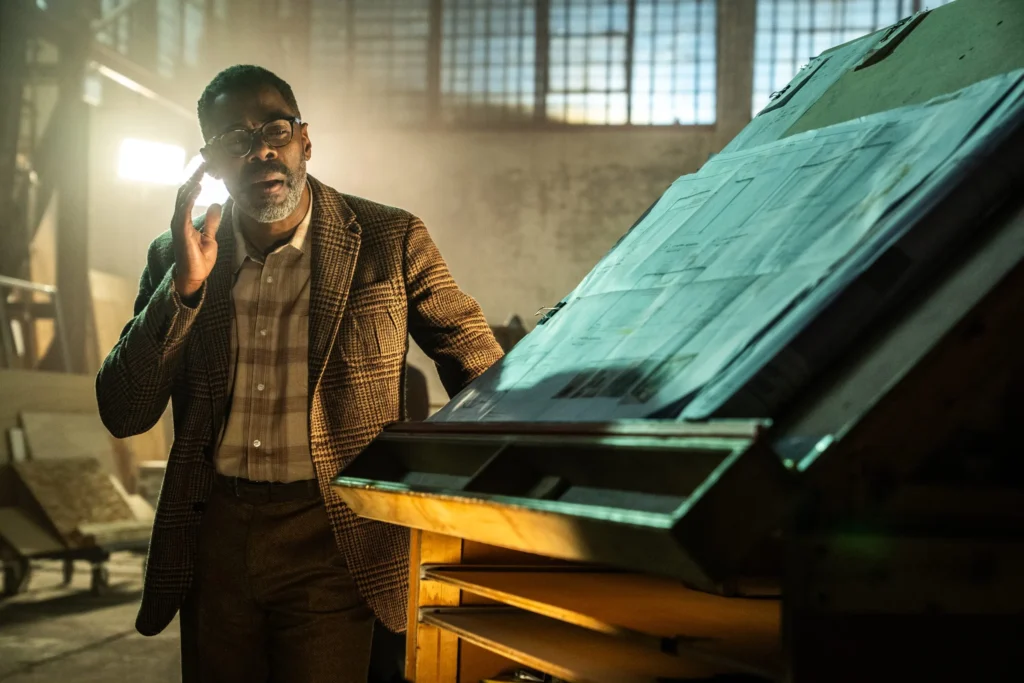
Colman Domingo keeps his cards close to his chest while he learns who he can trust.
Spielberg is at his best whenever that intelligence collides with the helplessness of the human body. An early diving sequence left me clinging to my seat, every movement seeming to carry the characters deeper into a place where people simply do not belong. Elsewhere, a panic attack is allowed to interrupt the story completely. The grounding exercise that follows is quiet and patient, giving the character time to work her way back into the room while the film waits with her. So many blockbusters treat terror as something that disappears once the immediate danger has passed. Here, the body remembers.
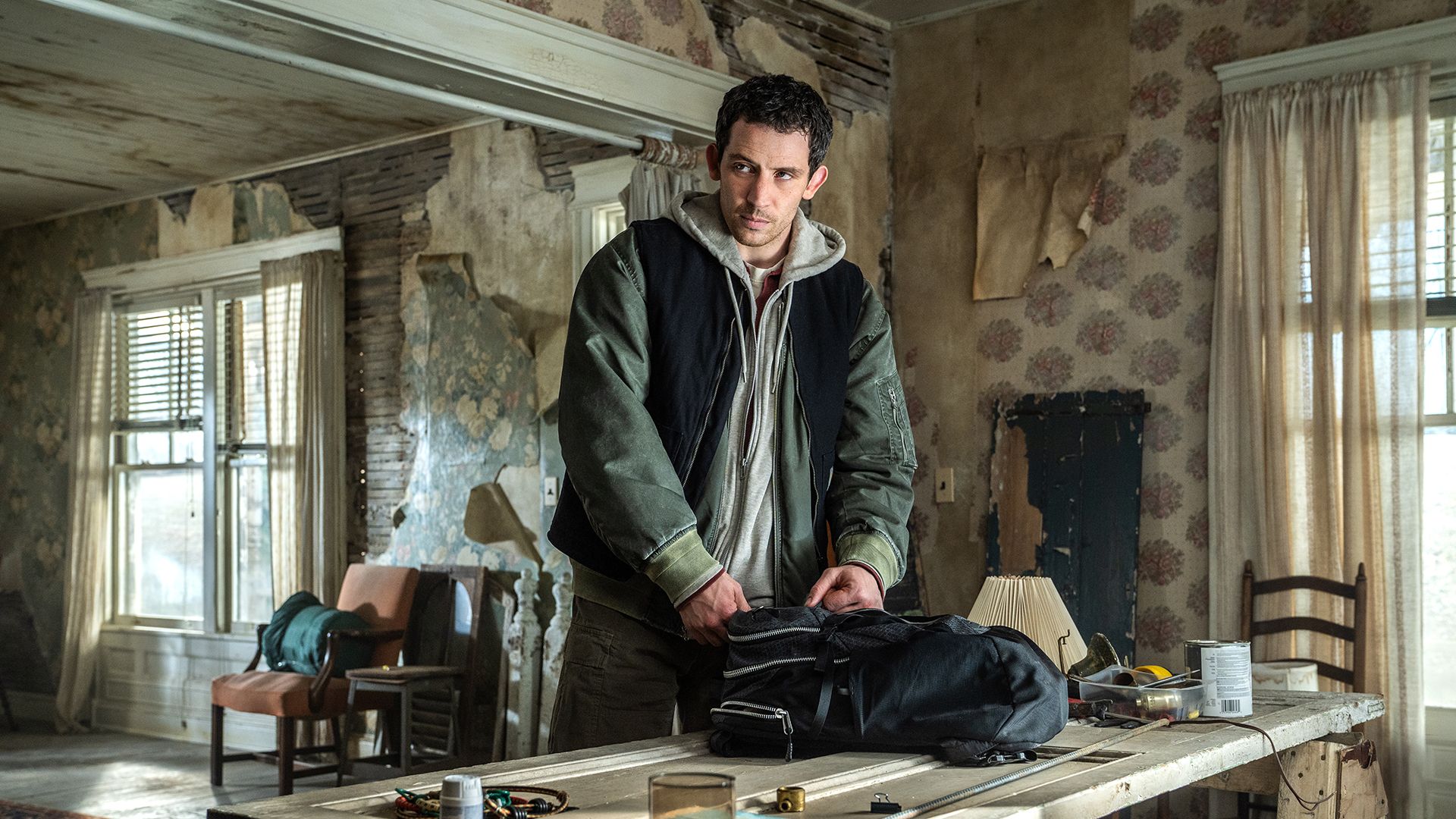
Josh O’Connor is the standout for me, which is probably why Daniel eventually begins to stick in my mind. He had been one of the main reasons I was so excited for the film, and he gives it the nervous, slightly ragged humanity it often needs. Courtney Grace is phenomenal in a much smaller role, particularly towards the end, where an enormous amount of the film comes to rest upon her face. Emily Blunt throws herself into the stranger demands of Margaret, while Colin Firth and Colman Domingo bring exactly the presence you expect from them. It is an absurdly strong cast. That makes it all the stranger that I kept forgetting the names of the two central characters. O’Connor gradually pulls Daniel into focus through the force of his performance, but Margaret remains far more vivid when something is happening to her than when she is simply allowed to exist. The film makes me feel the loneliness that has shaped both their lives, yet rarely lets me know either of them as people.
That loneliness is where Disclosure Day finds some of its most affecting ideas. These people saw something impossible as children and then had to grow around the silence it left behind. Spielberg gives one of those memories the shape of Hansel and Gretel, as though the fairy tale became the only way a child could make sense of what they had seen. There is something beautiful and eerie in that idea, but it remains half-baked. The film establishes the parallel, hints at how a familiar story might grow over a buried memory, then moves on before it can become anything more.
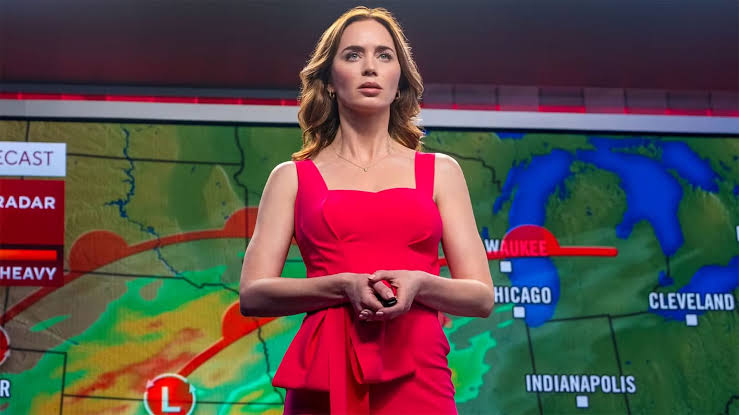
Emily Blunt’s performance makes Margaret’s on-air episode deeply unsettling.
That keeps happening. A scene opens some strange corner of the story, I feel myself leaning towards it, and the chase drags everyone back into motion before the feeling has settled. There is pleasure in that chase, particularly when Spielberg allows the impossible to collide with ordinary objects and practical inconveniences. Some of the film’s funniest and most inventive moments come from watching extraterrestrial phenomena crash into the mundane world. Yet those flashes also make me impatient for the film surrounding them to become equally alive.
At 145 minutes, Disclosure Day simply takes too long to reach the parts that matter most. Too much of its middle is spent hiding, escaping and moving everyone into position for the next major turn. The story keeps moving, but my attention does not always move with it. Its broad shape is strong enough that very little needs to change. The same discoveries, performances and rush towards disclosure could fit inside a much fiercer thriller. Somewhere within these 145 minutes is a brilliant 90-minute film, and I find myself mourning it while the longer one is still playing.
The alien imagery gives me a similar feeling. Spielberg begins with the lights and indistinct shapes that have drifted through decades of UFO footage, then gradually connects them to stranger and more physical ideas of his own. I love the suggestion that the truth may have been visible all along, scattered across folklore, hoaxes and shaky recordings nobody could ever agree upon. Yet when some of that familiar imagery finally takes form, I simply cannot take it seriously. What should inspire wonder instead strikes me as faintly ridiculous, breaking the spell at precisely the moments when the film most needs me to believe.
Then the climax arrives and, for several minutes, the dissonance disappears. Courtney Grace is essential to why it works. Watching her hold herself together as certainty gives way around her brings the entire film down to a human scale. Extraterrestrial life stops being an abstract revelation and becomes something intimate, bound up with the relief of being believed and the possibility that an experience which separated you from everyone else might finally connect you to them. One overly literal choice almost breaks the spell, but the film somehow recovers beautifully. I am suddenly far more moved than I expected to be, especially after spending so long wondering whether it would ever truly reach me.
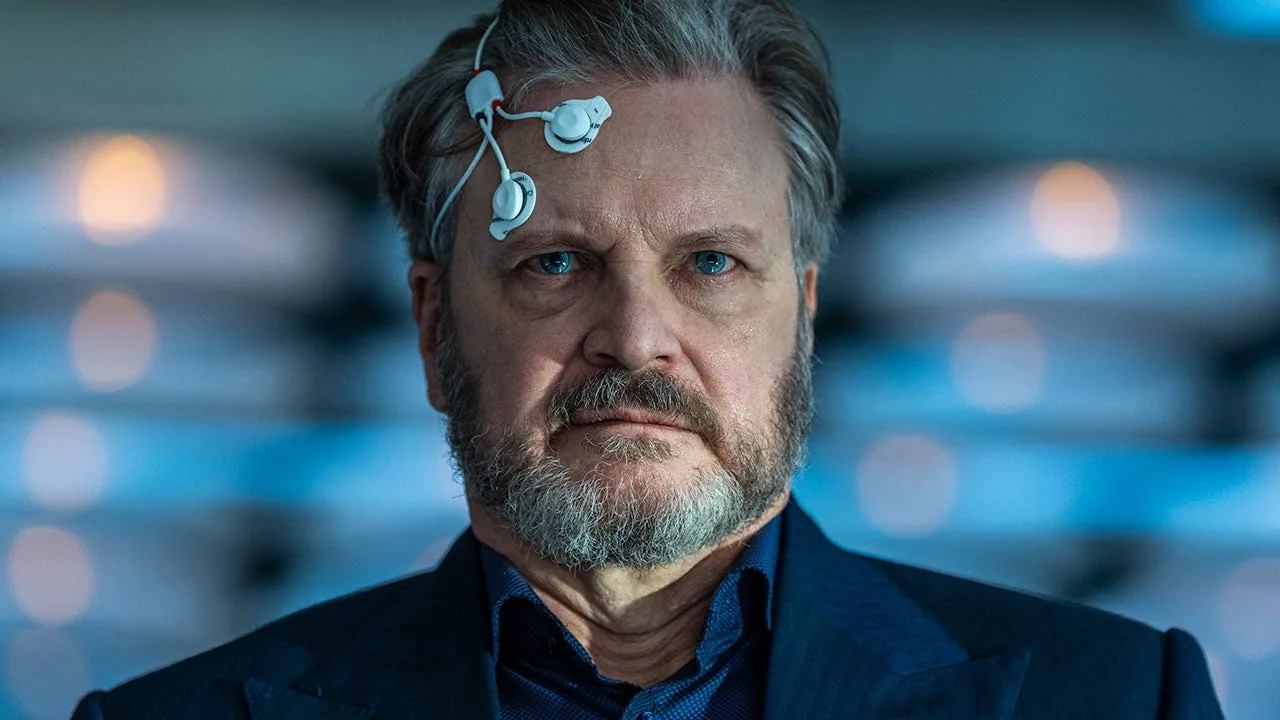
Colin Firth gives Noah the weary conviction of a villain who believes every choice he makes is justified.
That ending explains the divided reception. Some people will be swept up by it and feel everything beforehand gathering towards that release. Others will have grown tired of the chase, struggled to connect with the characters or found parts of the alien imagery impossible to take seriously. I understand why somebody might leave cold. The vehemence of the dislike still surprises me. Even at its most frustrating, Disclosure Day is filled with too much curiosity, imagination and genuine feeling to deserve contempt.
I want to love Disclosure Day, and sometimes I do. That is what makes the rest so disappointing. The extraordinary film I imagined is not absent. I see it in O’Connor’s fear, in the strange beauty of Spielberg’s best ideas and in a climax that finally uncovers the emotion buried beneath all that secrecy. It never fully breaks free, but enough of it reaches the screen that I still want people to see it. Perhaps the film I keep glimpsing will be the one somebody else sees from beginning to end.


No Comments