Who is Vision without Wanda? Exploring identity and humanity in VisionQuest
Spoiler Warning: This article contains spoilers for Episodes 1 and 2 of VisionQuest.
Who are we without the people who helped shape us? It’s a question that lies at the heart of VisionQuest, as Marvel’s synthezoid returns to our screens in a very different state from the character audiences once knew.
Following the events of WandaVision, Vision possesses his restored memories but struggles to reconnect with the emotions associated with them. Initially hiding in Edinburgh, he revisits his past in search of answers. Yet, without Wanda, whose love and companionship helped him understand the complexities of human connection, he struggles to make sense of his former life. Despite his efforts, there is one part of his past he refuses to confront: Westview.
Across its opening two episodes, VisionQuest raises an intriguing possibility: What if Vision isn’t as disconnected from his former self as he believes?
A Window Into Vision’s Mind
In the first episode, Vision retreats into his mindspace, an elaborate mansion within his consciousness inhabited by several Stark-created artificial intelligences, including J.A.R.V.I.S., F.R.I.D.A.Y., E.D.I.T.H. and Ultron. Without Wanda to guide him, these familiar figures offer companionship and contrasting perspectives, from practical advice to uncomfortable truths. Among the mansion’s many rooms is a cinema where Vision watches footage of his past self, searching for the feelings that once accompanied them.
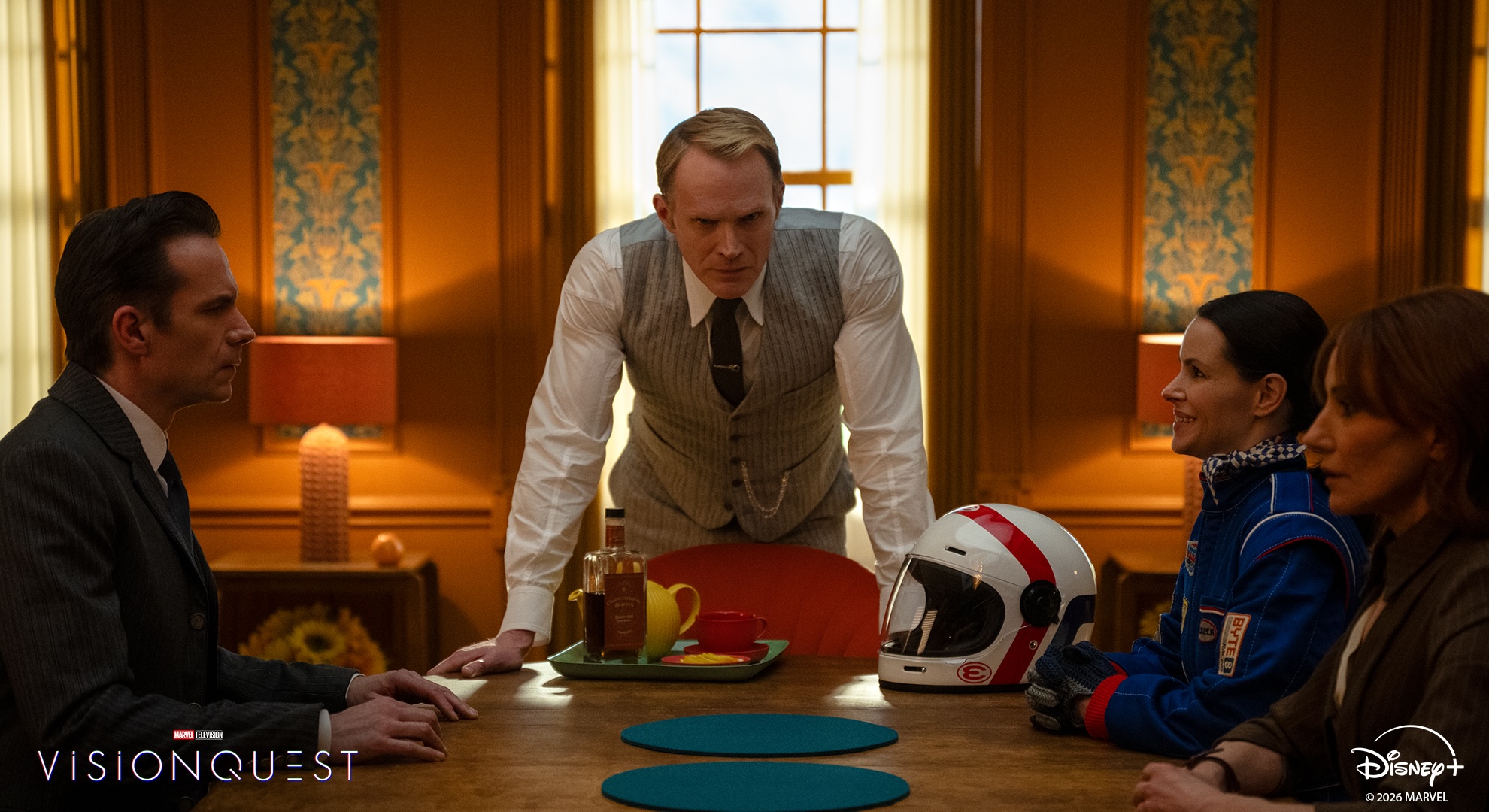
However, when Vision’s robots Dum-E and U begin playing recordings from Westview at Ultron’s request, Vision reacts angrily. He has expressly forbidden the other AIs from showing him these memories, arguing that Westview was merely an illusion with no relevance to his search for understanding. Ultron sharply challenges this explanation, suggesting that Vision is simply afraid of confronting the powerful emotions associated with those experiences.
Although the life Wanda created within the Hex was temporary, the love and family she shared with Vision held emotional significance. Their relationship had already shaped Vision’s understanding of love, vulnerability and companionship long before the events of WandaVision. While the reality within the Hex was an illusion, the feelings related to those experiences were not necessarily any less real to Wanda and the Vision who lived there.
Interestingly, Vision’s mindspace appears to contradict his own explanation. As the forbidden footage of Westview plays, the mansion violently shakes, and the lights flicker, suggesting a deep instability within the very construct of his consciousness. Could these physical disturbances represent feelings he is unwilling, or perhaps unable, to acknowledge yet?
More than a memory?
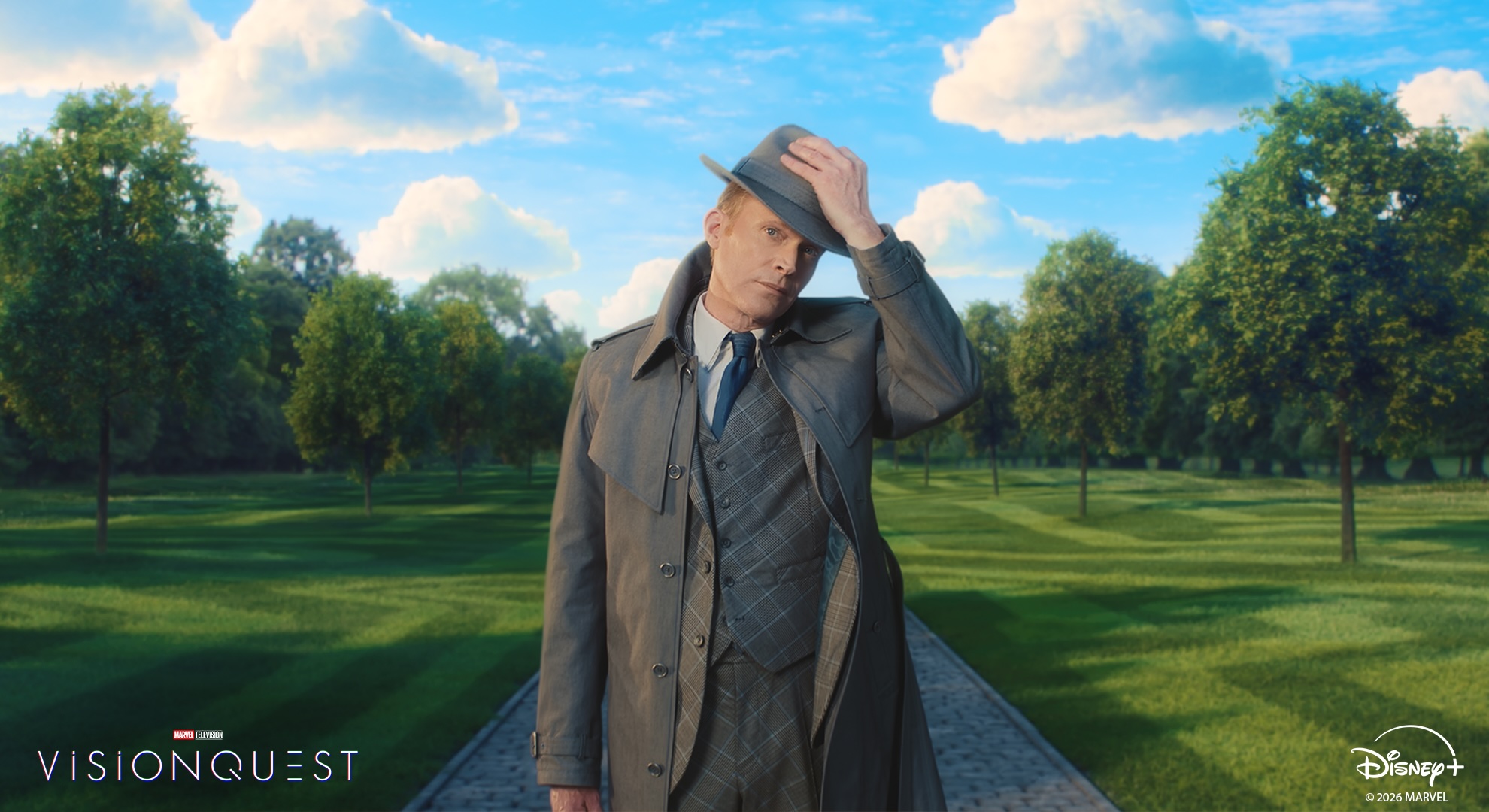
Vision’s decision to settle in Edinburgh is particularly intriguing. The city remains a significant part of his history with Wanda, having served as a refuge for the couple during Avengers: Infinity War. It was a place where they attempted to build a life together, away from the responsibilities and dangers surrounding the Avengers. Yet, despite claiming to have moved beyond his past, he has returned to a location so closely associated with it.
He describes himself as haunting his old self, suggesting that his presence in the Scottish city is part of an attempt to understand someone he no longer considers himself to be. But could his return be more than an exercise in observation? Perhaps, consciously or otherwise, Vision is drawn towards the places and experiences that once shaped him.
His relationship with Fiona, the pub owner who offers him friendship, raises similar questions. When she invites him to Sunday dinner, he declines, insisting that he isn’t good with people. Yet her kindness offers him an opportunity to forge a new connection in the present rather than simply tracing his former self’s footsteps.
Following Fiona’s sudden murder, Vision insists that they shared no emotional attachment. J.A.R.V.I.S., however, encourages him to mourn her, suggesting that his response may be more complicated than he is willing to admit.
The Ship of Theseus, a philosophical puzzle introduced in WandaVision, takes on new significance as Vision struggles to understand who he is. If his memories remain intact but his understanding of himself has changed, what truly defines his identity?
Ultron revisits this debate in Episode 2, challenging Vision to stop questioning his identity and take action. Rather than offering another abstract answer, Ultron encourages him to make a choice, helping motivate Vision’s decision to rescue Tommy.
Through this shift, VisionQuest raises the possibility that identity is shaped not only by our memories, but also by the choices we make.
Tommy: A father-son connection?
The arrival of Thomas Shepherd introduces a new challenge to Vision’s understanding of himself, particularly regarding his relationship with Wanda’s children.
In Episode 2, Vision refuses to acknowledge Tommy as his son. As far as he is concerned, Tommy is the other Vision’s child, not his.
Despite telling Paladin, an assassin hired to capture him, that he feels no paternal attachment towards Tommy, Vision ultimately decides to rescue the teenager from Saint Mabyn’s. His actions complicate his earlier insistence that they share no personal connection.
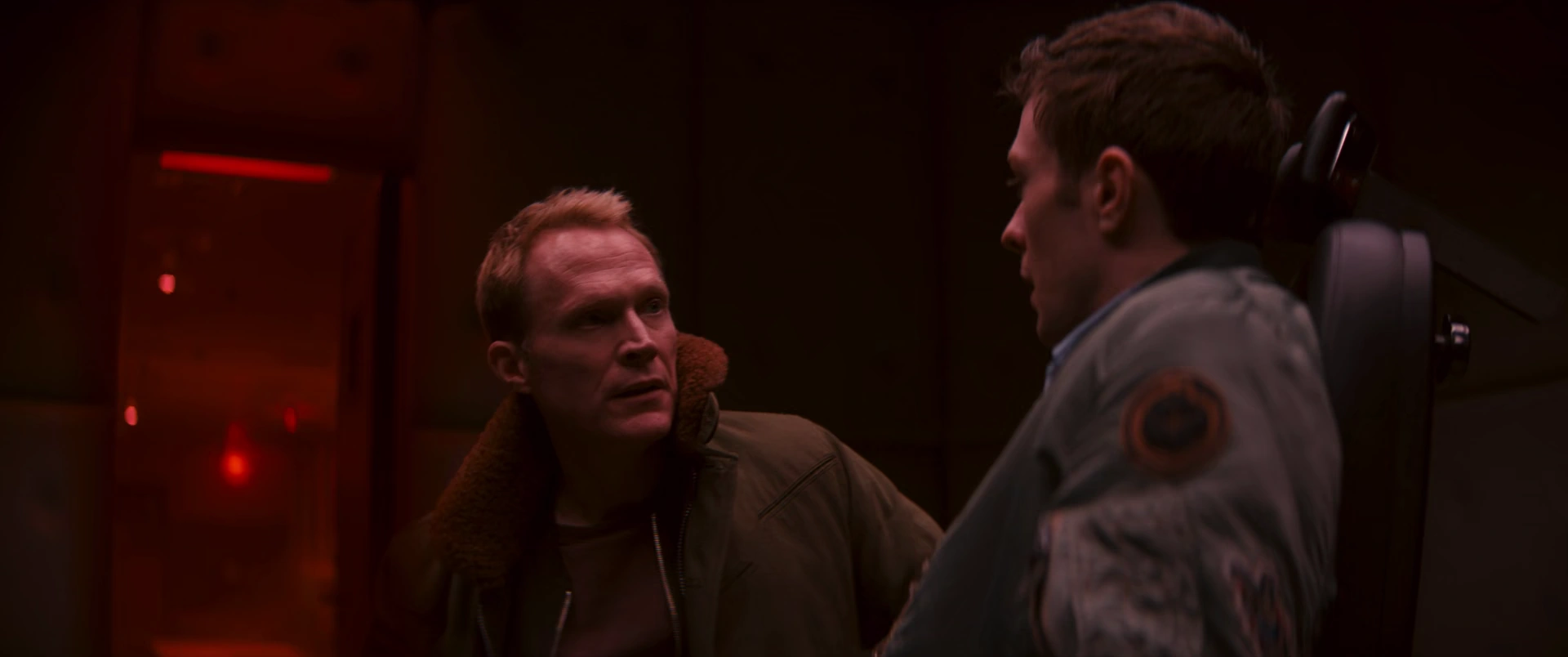
Their first encounter is far from a conventional family reunion. Tommy is frightened and confused, struggling to understand whether Vision is real or another manifestation of his fragmented memories. Nevertheless, the synthezoid comforts him and attempts to lead him to safety.
When their escape goes wrong, Tommy initially refuses to abandon Vision, describing him as his “something”. Although Tommy appears to eventually leave, he returns with a car to rescue him. Neither character fully understands what this bond means, yet both make choices that demonstrate a willingness to protect the other.
There is also an interesting parallel between their circumstances. While Vision possesses memories of his earlier life, Thomas carries some memories of a childhood within Westview. Both are attempting to reconcile those experiences with the lives they now lead.
Their evolving relationship raises another question about identity. Could Vision’s decision to protect Tommy suggest that family is defined by more than shared history? Perhaps their connection will develop not simply through the memories they carry, but through the present they navigate and the future they choose to build together.
Is the old Vision really gone?
After just two episodes, VisionQuest has already raised far more questions than answers about its central character.
Although Vision can recall his past, he continues to struggle with the emotions tied to those experiences, particularly those he remains reluctant to confront. His refusal to revisit Westview, his decision to return to Edinburgh and his willingness to protect Tommy all raise questions about his identity. Perhaps the distinction between his past and present self is not as clear as he believes.
Of course, the series has only just begun. Whether these moments reflect emotions he has yet to acknowledge, new feelings beginning to develop, or some combination of the two remains to be seen.
What makes Vision’s journey particularly compelling is that these possibilities need not contradict one another. His experiences with Wanda helped shape who he became, while his developing relationship with Tommy looks set to influence who he becomes next.
Ultron’s influence also raises fascinating questions about the direction of Vision’s journey. Although Ultron challenges Vision to confront uncomfortable memories and take action, he also admits to revealing their location to Paladin, supposedly to motivate Vision. Is Ultron genuinely trying to help the synthezoid understand himself, or is he manipulating him towards a sinister agenda of his own?
Meanwhile, Paladin has been hired by a mysterious client who wants the Avenger taken alive. Vision and the mansion’s AIs suspect S.W.O.R.D., but the client’s identity remains unknown. Who is determined to capture him, and why?
Rather than simply asking whether Vision can recover the person he once was, VisionQuest invites us to consider whether he can embrace who he is becoming without denying the experiences that shaped him.


No Comments